
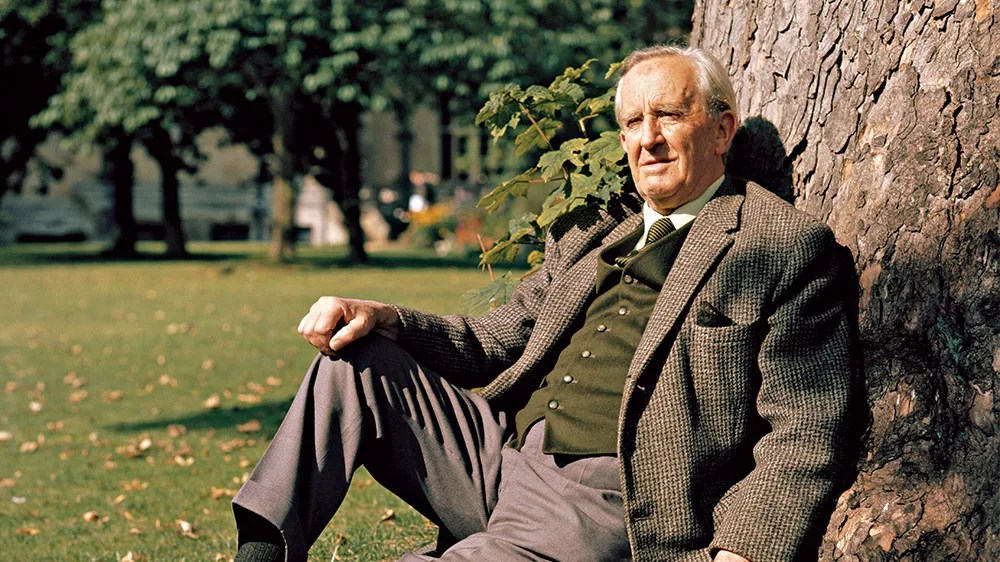
On September 2, 1973, J. R. R. Tolkien died in Bournemouth (a seaside town on the southern coast of England) at the age of eighty-one. The New York Times remembered him the next day as a “linguist, scholar and author of The Lord of the Rings,” a man who cast “a spell over tens of thousands of Americans in the nineteen-sixties with his 500,000-word trilogy” (New York Times, September 3, 1973).
Tolkien was more than a scholar of Anglo-Saxon and Middle English. He was a sub-creator who gave us hobbits, elves, dwarves, wizards, Ents, and the dark shadow of Mordor. Admirers compared him to John Milton and Edmund Spenser, while critics dismissed him as an escapist. But time has proven which vision endured.
He was also a man who knew sorrow. He lost both parents before twelve, fought in the mud of the Somme, and outlived nearly all his closest friends in the First World War. Yet he carried within him a quiet hope, born of faith in Jesus Christ and strengthened by the devotion of his wife Edith, his companion of fifty-five years.
When I think of his passing, I picture the Grey Havens:
“And the ship went out into the High Sea and passed into the West, until at last on a night of rain Frodo smelled a sweet fragrance on the air and heard the sound of singing that came over the water. And it seemed to him that as in his dream in the house of Bombadil, the grey rain-curtain turned all to silver glass and was rolled back, and he beheld white shores and beyond them a far green country under a swift sunrise.”
The Grey Havens are the port where his characters take their final voyage to the Undying Lands, a peaceful realm beyond sorrow and death. Tolkien’s “last ship” imagery captures both farewell and hope—the end of one journey and the promise of something beyond the world we know.
Tolkien’s faith assured him that beyond every loss lies a home greater than our wildest dreams. His imagination was not an escape from reality but a way of pointing toward the deeper reality he trusted—the hope of resurrection and renewal.
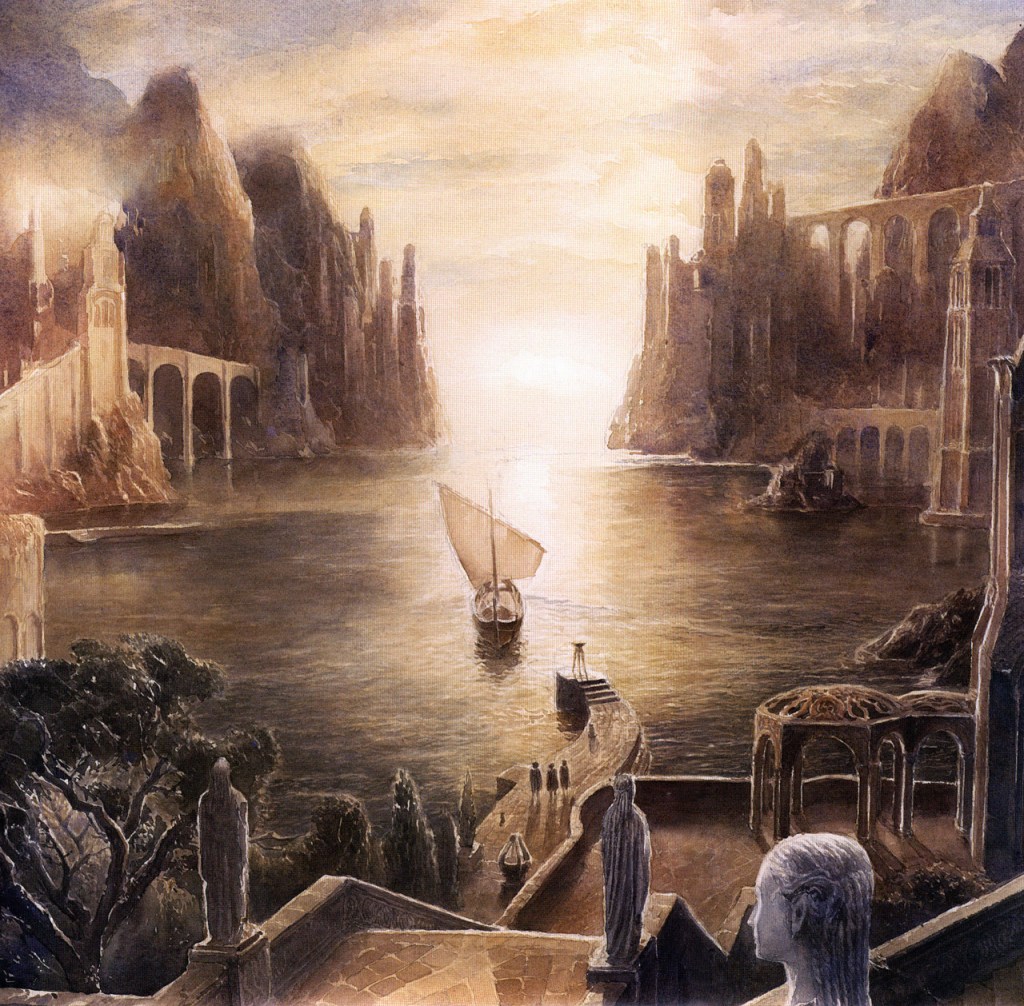
Fifty-two years on, Tolkien’s death still carries that same ache of farewell. For those of us who found hope in his words, it feels a little like standing with Sam at the Grey Havens—watching the last ship vanish into the West, and knowing life in Middle-earth will never be quite the same again.
“But to Sam the evening deepened to darkness as he stood at the Haven; and as he looked at the grey sea he saw only a shadow on the waters that was soon lost in the West. There still he stood far into the night, hearing only the sigh and murmur of the waves on the shores of Middle-earth, and the sound of them sank deep into his heart. Beside him stood Merry and Pippin, and they were silent.”
And yet, like Sam, we return to the road before us. The loss is real, but so is the memory of what we were given—the light that reached us in our darkest times.
That’s it for now. Thanks for showing up. It matters.

 Veni. Vidi. Scripsi.