
A gentle note before reading: This story touches on hardship and hope. It is written with care and respect for children who have suffered, and with faith in the healing love of Christ. Lila’s story is a composite, drawn from real cases shared with me by an advocate working directly with trafficked children. Though she is not one specific child, every detail reflects the lived reality of survivors. Even in difficult circumstances, patient care and love can plant seeds of hope.
Lila’s World
The first time eleven-year-old Lila noticed sunlight through the cracks of her curtains, she flinched. Light was supposed to hurt, or at least warn her. Every shadow and shift of air carried a question she couldn’t answer: Who was watching? Who would strike if she moved wrong? Her parents’ religious programs blared from the living room, voices loud and certain, and every sentence felt like a rule. She had learned early: quiet mistakes could cost everything.
Her small hands curled around a worn stuffed rabbit, a comfort in a world where smiles were dangerous, and prayers had to be whispered so no one could hear. Every glance at the mirror, every step through the hallway, was a careful calculation. Survival was her constant companion. Somewhere deep inside, she wondered if the God her parents talked about in church, loud, judging, and demanding, was the same God who might actually care for someone like her.
The Gravity of the Problem
Trafficking of children is tragically common. According to advocates working in this field, the average age of a trafficked child is somewhere between eleven to fifteen, and the average life span of a child in trafficking is only seven years. These numbers remind us of the urgency to intervene before innocence is lost and opportunities for rescue disappear.
She hums softly when she thinks no one is listening. Her world is small, shadowed, and held together by quiet hope. Her parents’ devotion is a performance, a mask for control and cruelty. Tiny joys such as a pencil scratch, a warm patch of sunlight, or a whispered hum become treasures. They are brief sparks of freedom in a world that demands obedience above all. Even a neighbor’s friendly wave feels like a question she cannot answer without risking more than just a scolding.
Her body carries secrets she cannot name. A life inside her presses quietly, a hidden weight she does not yet understand. Her stomach ached sometimes, a dull pressure she could not explain. She touched it lightly, pulling her knees close, wondering if anyone could ever see her there, safe from the world’s reach. Every day is a careful negotiation, every glance and word measured. Her small moments of imagination, such as sunlight through trees, leaves brushing over her fingers, and a voice that does not demand, are forbidden luxuries, but she clutches them like treasures hidden in her chest.
Eventually, Lila’s path crosses with child protective services and the legal system. She is referred to a safe home environment where counseling and care begin. The work is quiet, patient, and unglamorous. It is the kind of environment that can slowly open a child to hope, trust, and safety.
When she dreams, it is in fragments. A room with soft light, a hand that would not strike, a whisper that comforts instead of frightens. These dreams are fleeting, disappearing at the sound of a footstep or a slammed door. Yet somewhere, in those tiny moments, she begins to recognize something her waking life tries to deny: that gentleness might be possible, that cruelty is not the only way the world works. It’s not knowledge yet—just a stubborn flicker she can’t quite extinguish.
The Lighthouse
At the safe home, Lila begins to understand that not all adults hurt her. She starts to hum more freely, imagines rooms where sunlight warms instead of burns, and whispers prayers that feel safer than before. Each small smile and careful step toward trust is a miracle in itself. Even here, she is wary of any talk of Jesus, having only known the harsh, controlling version taught by her parents. But the patient care, counseling, and quiet guidance begin to show her that love can exist without fear.
Organizations like Lighthouse Ministries provide this kind of structured care for children who have survived trafficking and abuse. The work happens in quiet rooms, through consistent counseling, and in the simple act of showing up day after day. This creates an environment where trust can slowly take root.
White Oak Ministries
A counselor from White Oak Ministries comes to visit her. At first, Lila does not want to talk. She has heard promises before. But there is something different in the way this person listens. They are not rushed, not performing, just present. They talk about a program designed specifically for girls like her, who have survived trafficking and sexual abuse. It is a place with structure, yes, but also with time: time to heal, time to learn, time to discover that her story does not have to end in the shadows.
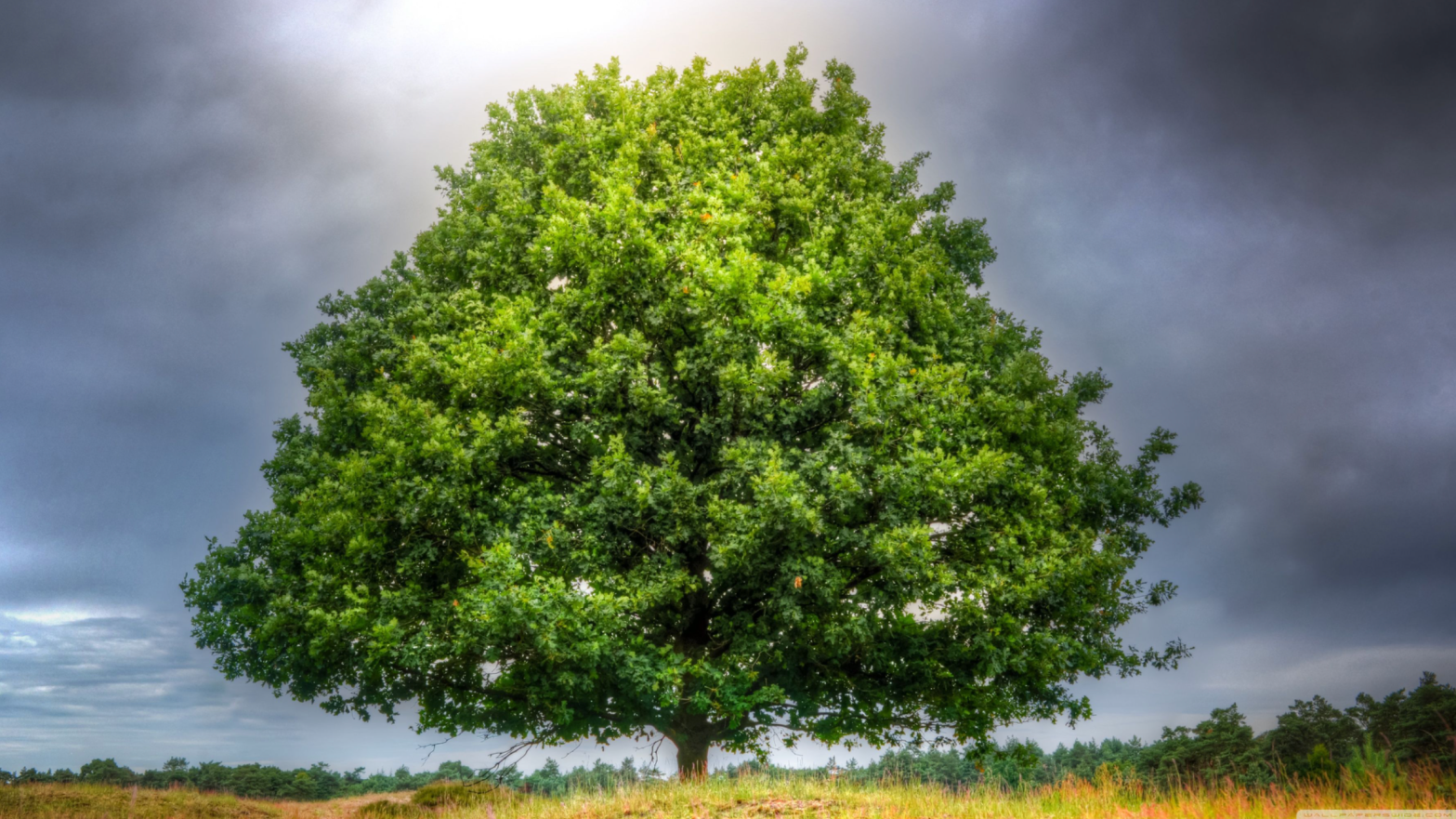
Things began years ago when Tom Avant of White Oaks Ministries downsized from 20 acres of blueberries and planted white oak trees. On the White Oak Ministries website, you’ll see a Christian flag beside branches of white oak: a quiet emblem of faith and growth. He tells the story that he was mowing once between the saplings, maybe ten or twelve feet tall, when a forestry man stopped and asked what he planned to do with them. The response was a joke: “In 200 years I’ll be rich when they mature.”
It was a joke, but also a metaphor. Ministry grows slowly, sometimes under difficult conditions. Yet resilience and faith allow growth to stand straight and tall, even when surrounded by challenges. White Oak Ministries has no building, no polished front door—yet. Until God moves forward with the ministry, it lives in the hands of those who serve, in prayers that turn into action, and in quiet rooms where someone listens instead of lectures.
Through visits to places like Lighthouse, through counseling sessions in safe spaces, Lila begins to see something different. The structure is there: therapy sessions, educational support, connections to healthcare that addresses both body and mind. But it is the consistency that begins to break through. Adults who do not disappear. Promises that are kept. Someone who shows up week after week, helping her learn that her value is not tied to what was done to her. Slowly, painfully, she begins to imagine a future that does not look like her past.
White Oak Ministries is dedicated to offering treatment and support to girls ages 12–20 who have been trafficked or sexually abused. The vision is to provide a safe and nurturing environment where these girls can receive comprehensive care: therapy, education, and healthcare. This empowers them to reclaim their lives and build a brighter future. The mission is to make a difference in the lives of survivors, helping them on their journey to healing and restoration in Christ.
Organizations like Eight Days of Hope offer construction support for Safe House Ministries across the country. They have partnered with 13 organizations in eight states, building 17 homes where survivors of trafficking can heal. Their volunteers provide framing, drywall, plumbing, and roofing, dedicating roughly two weeks to each project. White Oak hopes to one day collaborate with efforts like these, creating a sanctuary where the work can continue in a dedicated space. It is a place where children like Lila can learn, heal, and thrive with longer-term care and discipleship.
Despite care and counseling, not every child’s journey is straightforward. Lila is asked to leave at one point, an outcome that feels like a closed door. The staff wonder if they failed her. The carefully built trust seems shattered. She disappears back into a world they cannot follow.
Years later, she calls back. Her voice is different now: steadier, quieter, carrying something the staff had not heard before. She thanks them for what they did. She tells them she had found Jesus—not the harsh, controlling God of her childhood, but the One who saw her in the shadows and waited. The call lasts only a few minutes, but it carries the weight of years.
Moments like these are rare and precious, showing that even interrupted care can plant seeds of faith and hope that take root later, like the slow-growing white oaks planted years ago: what begins small, tender, and fragile can endure, growing straight and tall even in the midst of challenges.
What Jesus Said
This kind of patient, redemptive work reflects something deeper about how God sees children, not as projects to be managed but as beloved souls deserving fierce protection. When we look at what Christ actually said about children, the stakes become startlingly clear:
“If anyone causes one of these little ones who believe in me to stumble, it would be better for them to have a large millstone hung around their neck and to be drowned in the depths of the sea.” — Matthew 18:6 (NIV)
“Let the little children come to me, and do not hinder them, for the kingdom of heaven belongs to such as these.” — Matthew 19:14 (NIV)
Jesus did not mince words when it came to children.
Lila Is Not Alone
Lila is not a real child. She is a construct, woven from the stories, statistics, and experiences of children who have survived trafficking, guided by ministries like White Oak and Christian safe homes like Lighthouse Ministries. But though she is imagined, her life is all too real. Every flinch, every whispered hope, every small step toward trust reflects what countless children endure daily. Her story reminds us that behind the numbers are living hearts, waiting for patient hands, quiet guidance, and the mercy of those who will not look away.
Her story, and the lives of children like her, reminds us to see these children fully—not as statistics or headlines, but as living souls whose pain and potential matter. Each act of care, each quiet prayer, each patient moment of mercy is part of a greater effort to shelter what is broken and nurture what can still grow.
It is a call not to flinch, but to care. To act where we can. And to pray. In the spaces between shadow and sunlight, children like Lila remind us that love, even small, quiet love, can endure. The patient work of faith and compassion will bring life to places others might have abandoned.
That’s it for now. Thanks for showing up. It matters.

For Those Who Want to Learn More
I have no financial affiliation with these organizations. I’m sharing them because this work matters.
White Oak Ministries
3612 Hwy 112
DeRidder, LA 70634
(337) 396-7263
whiteoakministries.org
whiteoakministries24 [at] gmail [dot] com
Lighthouse Ministries
1009 North Pine St
Reeves, LA 70658
(337) 462-8333
lighthouseministriesinc.org
Eight Days of Hope – Safe House Ministry
eightdaysofhope.com
(Special thanks to Tom Avant for sharing his journey.)
 Veni. Vidi. Scripsi.