

My editorial calendar is getting busy. November 9 reminds me that care and legacy come in many forms. They show up in quiet acts of compassion. They show up in stories passed down and letters and tales that shape hearts across generations.
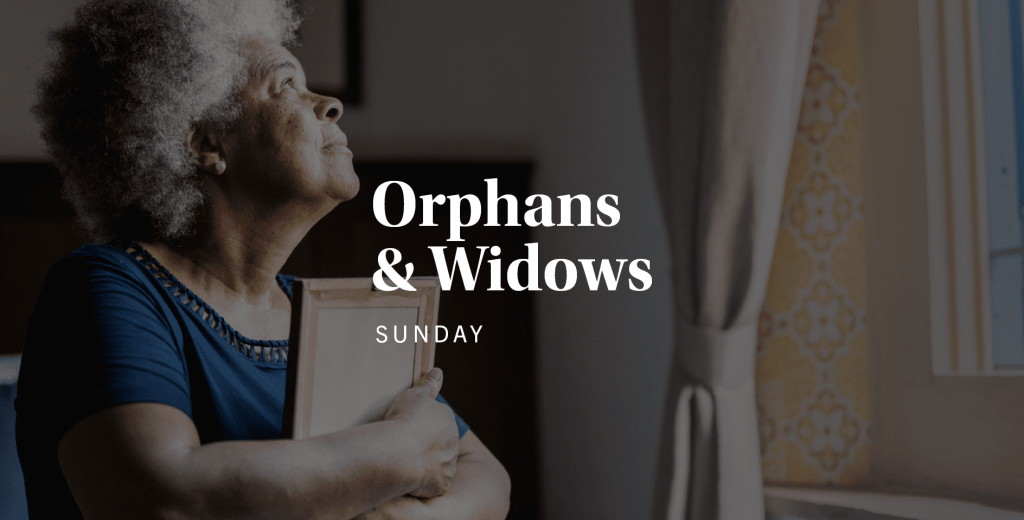
There is a quiet weight to loss that does not always get noticed. On Orphans and Widows Sunday, we are reminded to care for those whose lives have been shaped by absence. These include children growing up without safety or family. They also include widows learning how to live with empty chairs. Anyone facing the void left by loss is also included. I have seen it in my own town, in faces that carry stories we will never fully know.
And yet, there is grace in the care that quietly surrounds them. Neighbors notice. Friends show up. Small acts matter far more than the world realizes.
This annual observance encourages faith communities to reach out with compassion, support, and practical care for vulnerable children and widows. While the date can vary, it often falls in November. This is a reminder that care is not limited to a single Sunday. Acts of love and attention can ripple out year-round. This happens through prayer, provision, and safe family placements like adoption, foster care, or kinship care. It is about a steady posture of compassion that endures long after the calendar turns.

Where Legacy Meets Story
Compassion, care, and the steady passing on of gifts are themes not only in life but also in story. Author J. R. R. Tolkien’s own life reflected these realities. His mother, Mabel, became a widow when he was very young. She struggled to support her two children while navigating the social and financial pressures of late 19th-century England. She devoted herself to their education and faith, often sacrificing her own comfort and health. Tolkien himself was orphaned by the age of twelve. He had lost both parents and was sent to live with relatives while trying to make sense of grief, loss, and displacement.
Perhaps it is no surprise that the themes of care, stewardship, and the passing of gifts appear so strongly in his work. On this same November 9, we remember two of his writings: Smith of Wootton Major and the revised and expanded edition of The Letters of J.R.R. Tolkien. Both offer glimpses into a mind that had known absence but learned to honor legacy, generosity, and attention to what matters.
Smith of Wootton Major (1967)
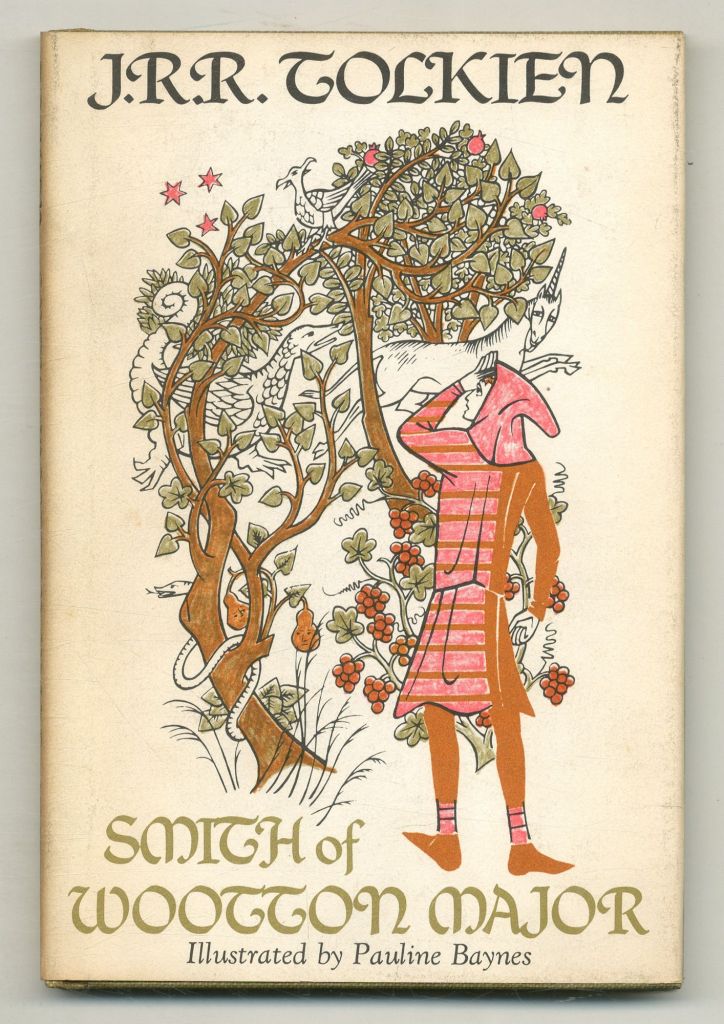
Smith of Wootton Major tells the story of a blacksmith’s son who swallows a star hidden in a festive cake. The star fixes itself to his brow, giving him passage into Faery. He grows into the role of Starbrow, traveling through the magical land, protected by the gift, until he finally returns it to the next generation, passing the adventures on.
What makes it special
- Faery provides a world of wonder, danger, and timelessness, reflecting Tolkien’s idea of sub-creation, where imagination, moral growth, and stewardship converge.
- A story of stewardship, showing how gifts are received, tended, and passed on.
- Tolkien’s world-building shines even in a short tale, making the village, the festivals, and Faery itself feel tangible.
- Themes of responsibility, joy, and the passage of legacy mirror human acts of care and attention.
Why it matters
- For the reader, it is a gentle meditation on legacy, kindness, and the magic of ordinary life.
- For those who care for others, it models how gifts, whether talents, resources, or love, are meant to be shared.
Smith reminds us that legacies, magical or human, are honored when passed on thoughtfully.
The Letters of J.R.R. Tolkien
(Revised & Expanded Edition) (2023)
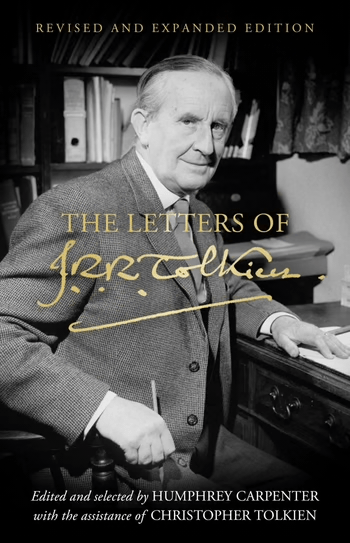
The newly expanded Letters of J.R.R. Tolkien includes more than 150 previously unseen letters, revealing the man behind Middle-earth: scholar, parent, Catholic, and devoted storyteller. They show his care for friends, family, and readers alike, and provide insights into the creation of The Hobbit, The Lord of the Rings, and The Silmarillion.
What makes it special
- Restores letters excised from the original 1981 edition, giving readers fresh insights into Tolkien’s creative process.
- Offers a detailed portrait of Tolkien’s life: his thoughts on storytelling, faith, family, and the responsibilities of craft.
- Illuminates the interplay between personal experience and literary imagination.
Why it matters
- For Tolkien enthusiasts, it is a rare, intimate view of the man behind the legendarium1.
- For newcomers, it shows that storytelling is an act of care, attention, and patience—values that shaped Tolkien’s world and life alike.
Through his letters, we see that the work of stewardship extends beyond life; it includes the care of ideas, stories, and wisdom for future generations. Legacy is not always in grand gestures but in attentiveness, in noticing, in love made real in small ways.
Closing Reflection
What does that mean for us today? Maybe it is as simple as taking a moment to see someone who is hurting, to speak a word of encouragement, or to share a story that reminds us of hope. It is the same spirit that Tolkien lived in his letters and his stories, the conviction that even the small things we do can matter far beyond what we know. On a day like today, I am grateful for the reminder: care leaves a mark, stories carry weight, and mercy often shows up quietly in the places we least expect.
That’s it for now. Thanks for showing up. It matters.

For more information:
These links are provided for informational purposes only; I have no connections with these organizations.
Photo Credit:
- Top photo by Boris Isaac on Unsplash
Footnote:
- the entire collection of stories, characters, histories, and languages Tolkien created to make up his imaginary world ↩︎
 Veni. Vidi. Scripsi.