
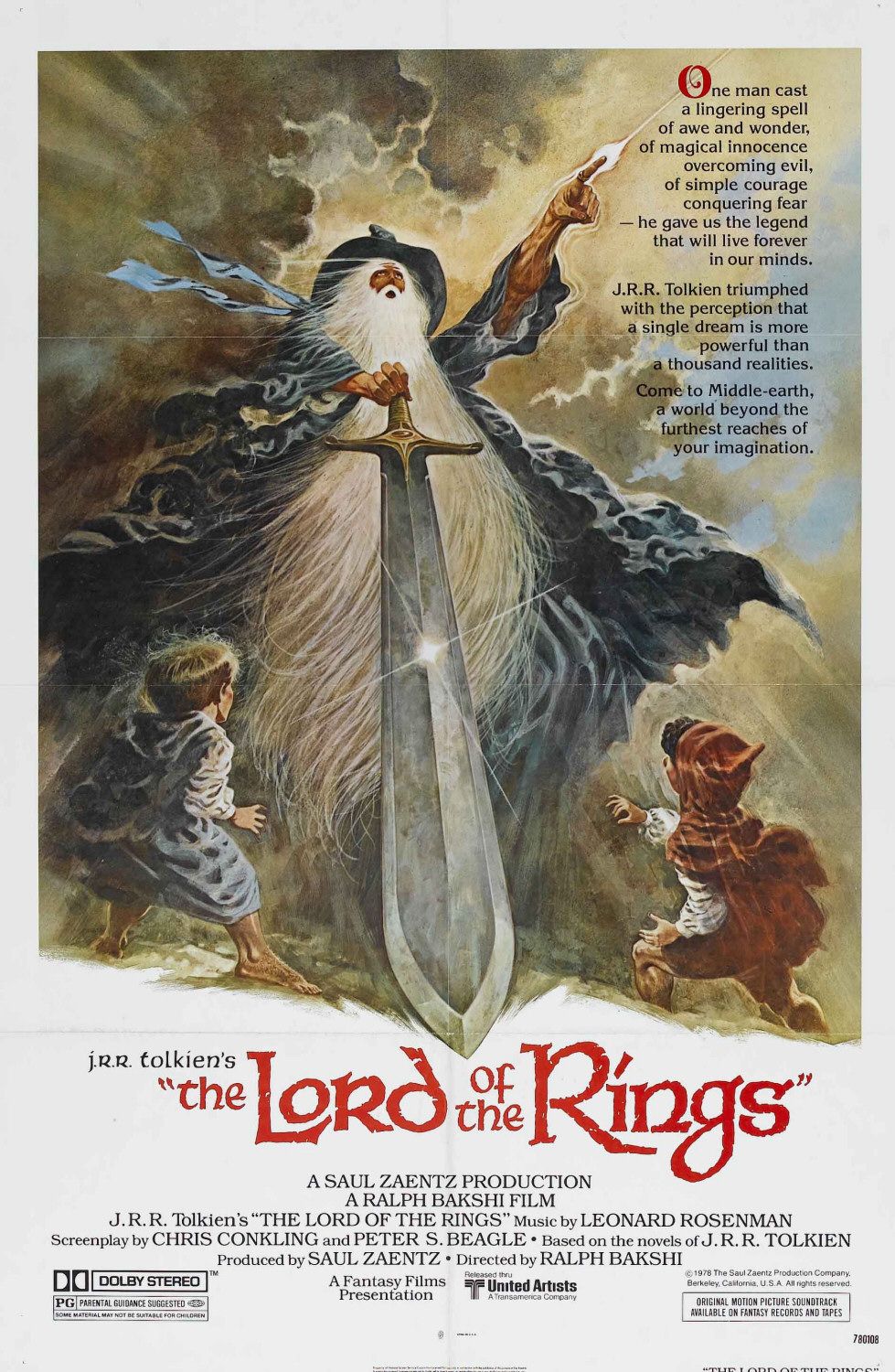
I first stepped into Tolkien’s world through a boxed set of The Hobbit and The Lord of the Rings sometime in the mid-70s. Taking on the larger-in-scope-and-theme Lord of the Rings was daunting, but I made it through and was captivated by the characters and the story. Today I’m marking the 47th anniversary of a film that left a mark on my imagination.
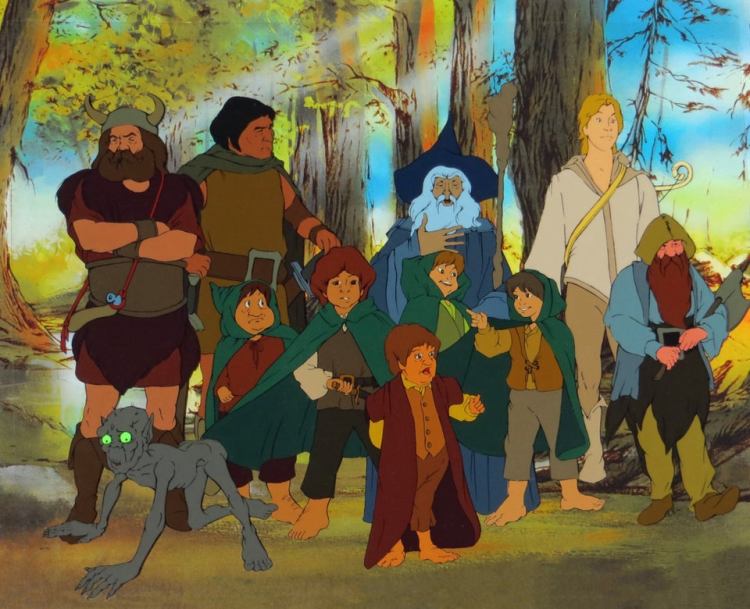
Sadly, all I had visually to go on were the silly-looking Rankin/Bass characters drawn for their The Hobbit (1977). That changed when Ralph Bakshi’s animated The Lord of the Rings was released on November 15, 1978. It was not a quiet stroll through the Shire; it was bold, strange, and at times uncanny. Bakshi’s vision hit the screen in a way that was new, ambitious, and for many fans, unforgettable.
Ralph Bakshi and the Bold Gamble
From many accounts, Bakshi had long dreamed of bringing Middle-earth to life. By the late 1970s, live-action adaptations stalled, so animation became his battleground. Partnering with Saul Zaentz, Bakshi embraced rotoscoping, a method tracing live-action footage to give movement and scale to characters.
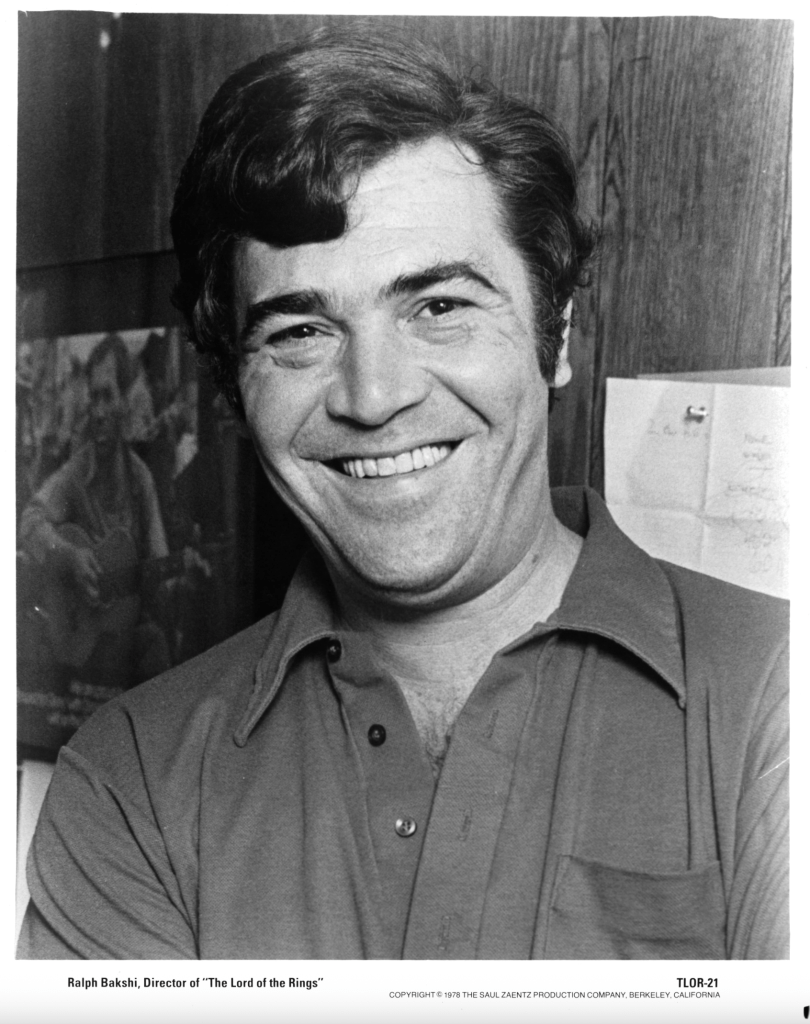
Scenes shot in Spain served as the canvas for battles and landscapes that would later be animated over. It was laborious, experimental, and sometimes eerie, but it pushed the boundaries of what animation could achieve in the 1970s. The production also included a complex post-production editing process, where creative choices shaped the look and pacing of the final film.
The Film Experience
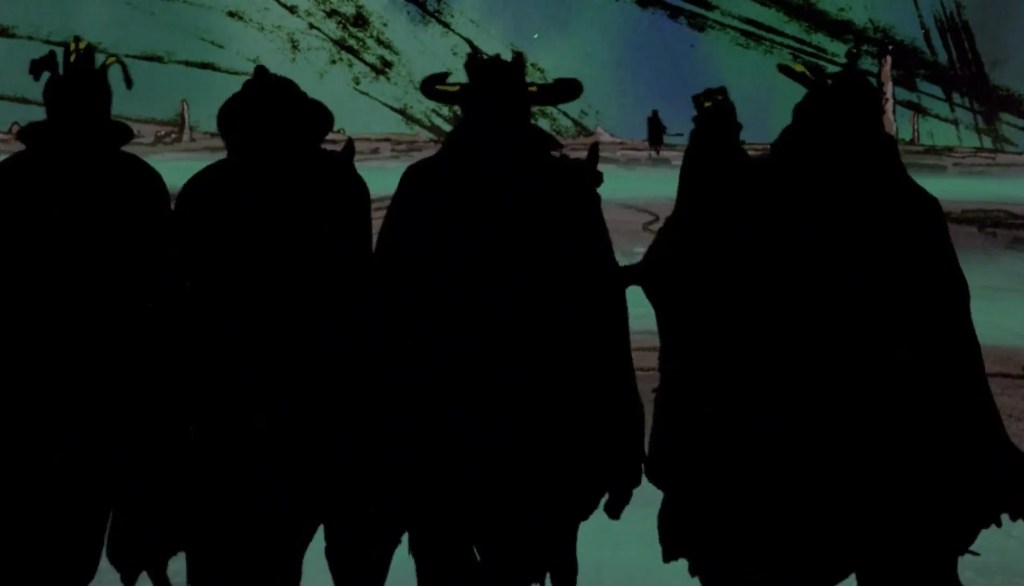
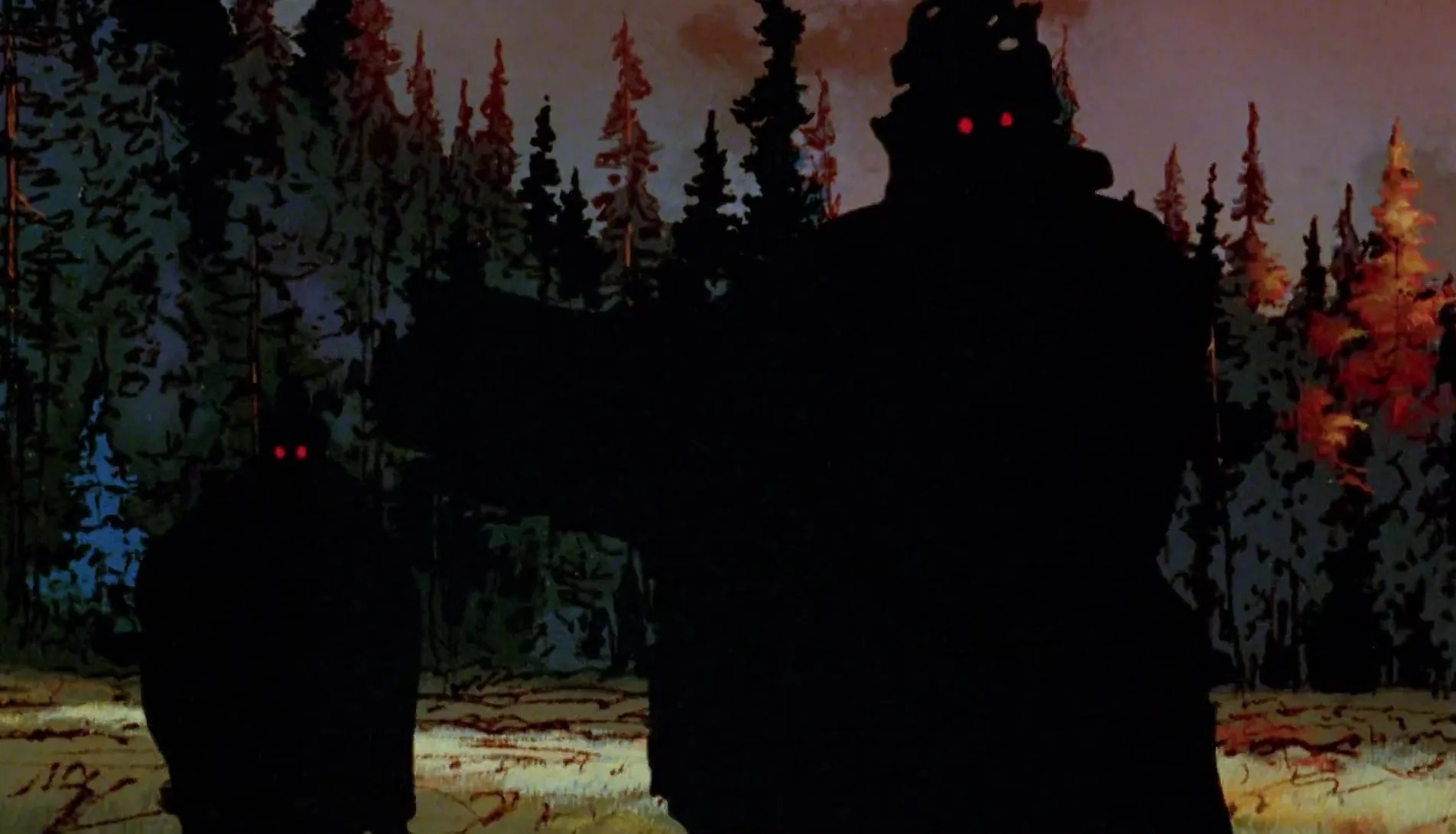
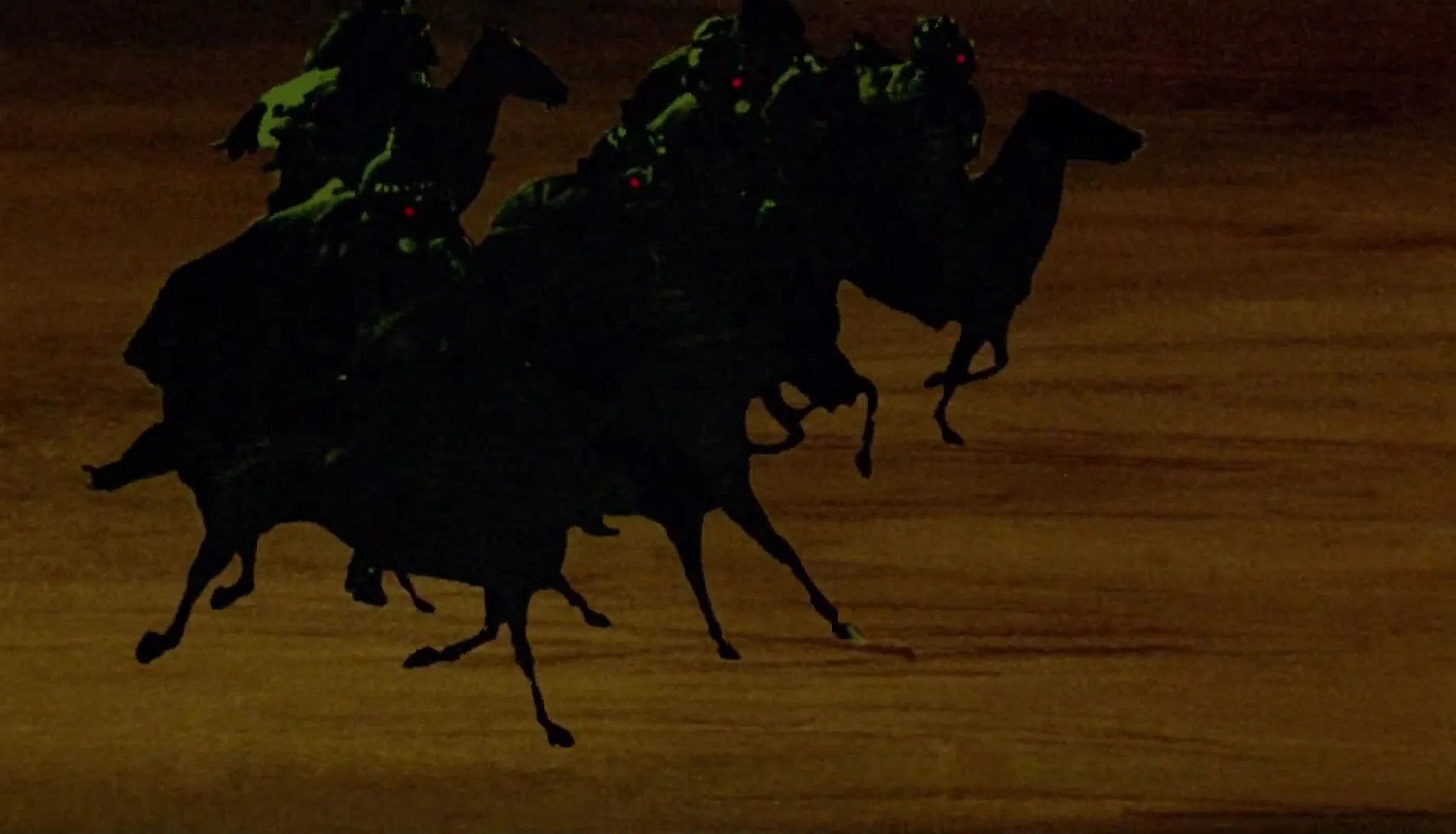
The film covers roughly the events of The Fellowship of the Ring and part of The Two Towers. Its visuals are striking, from the looming Black Riders to the dramatic undead army sequences. Rotoscoping gives motion a unique rhythm, sometimes graceful, sometimes unsettling, but always memorable.
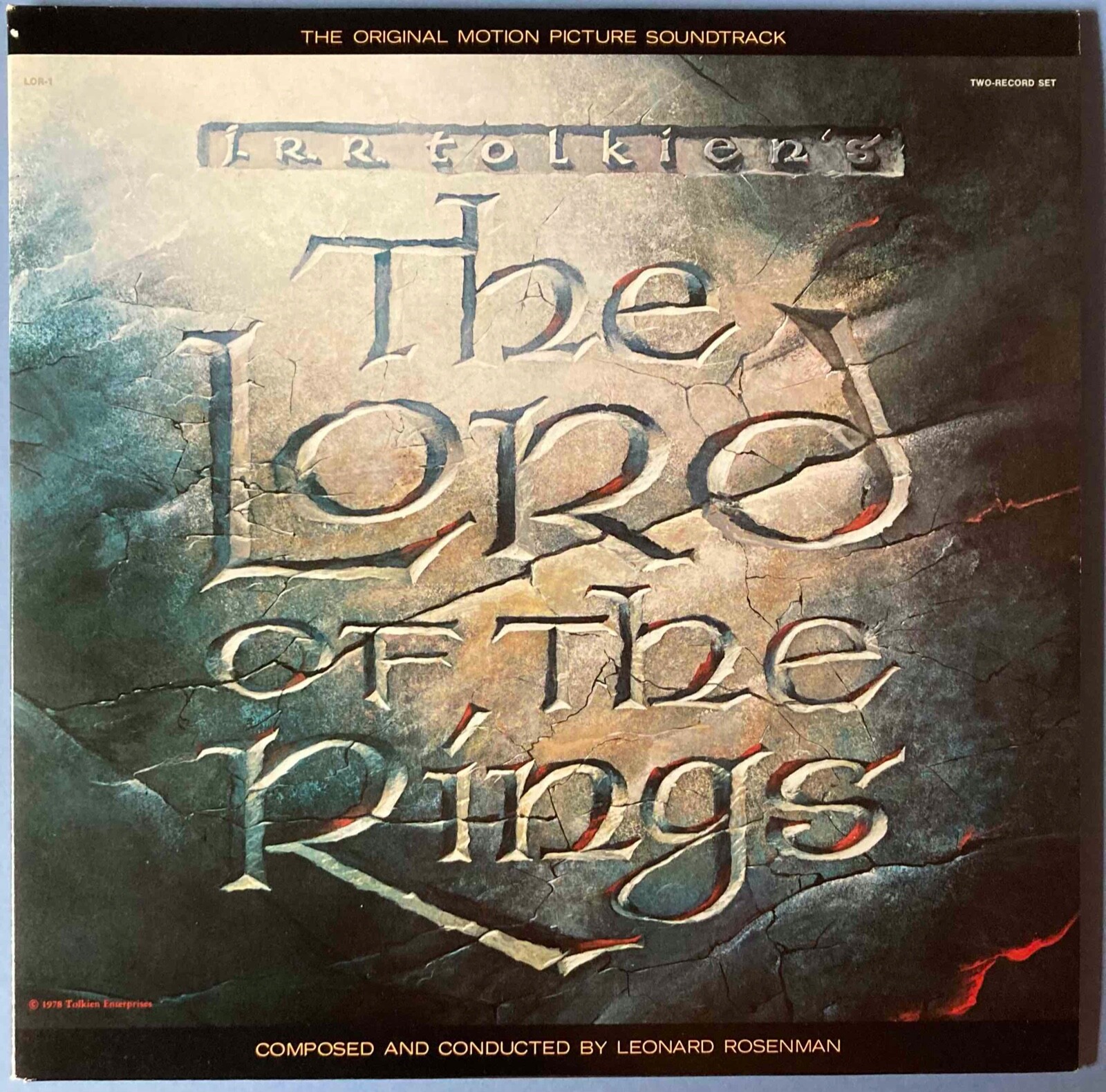
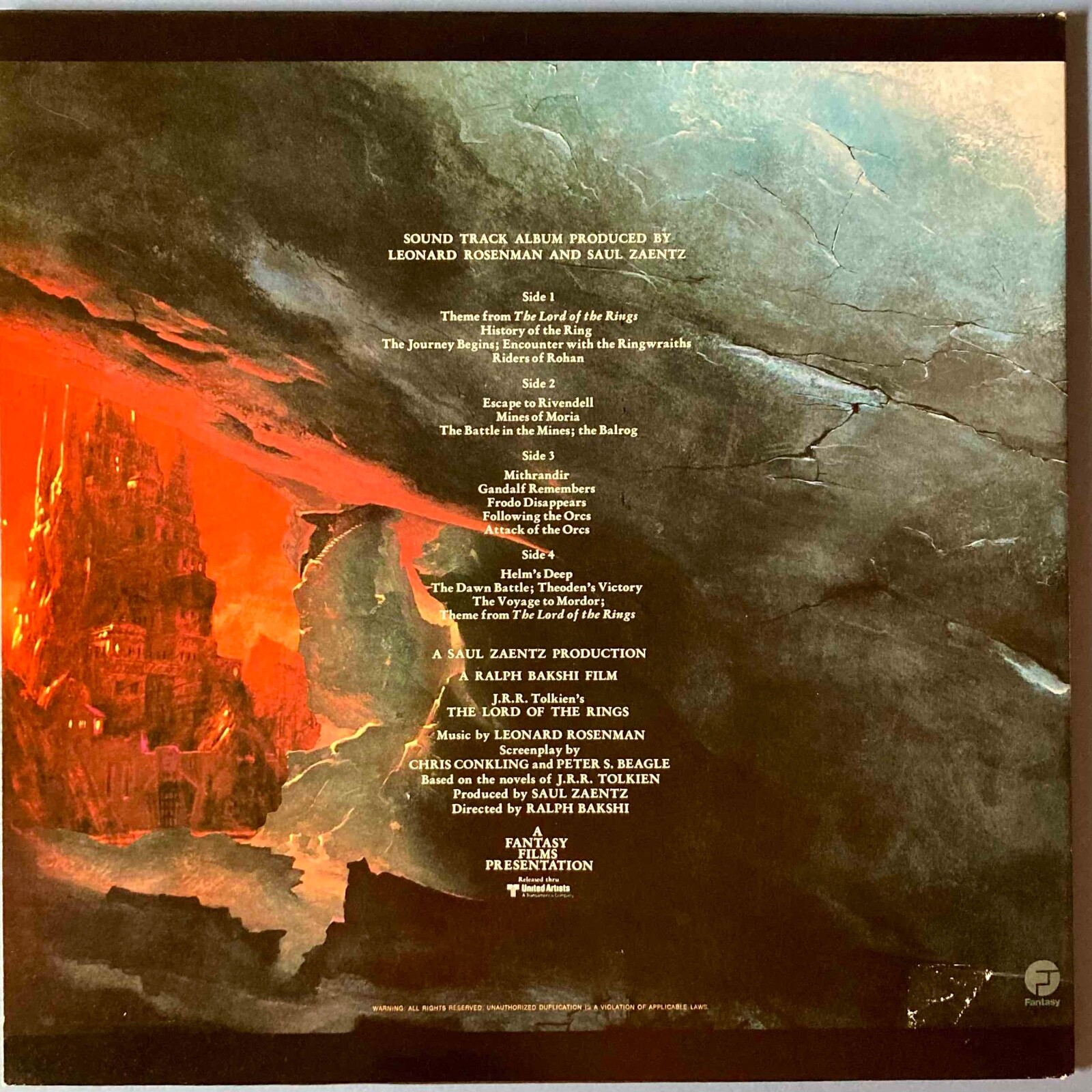
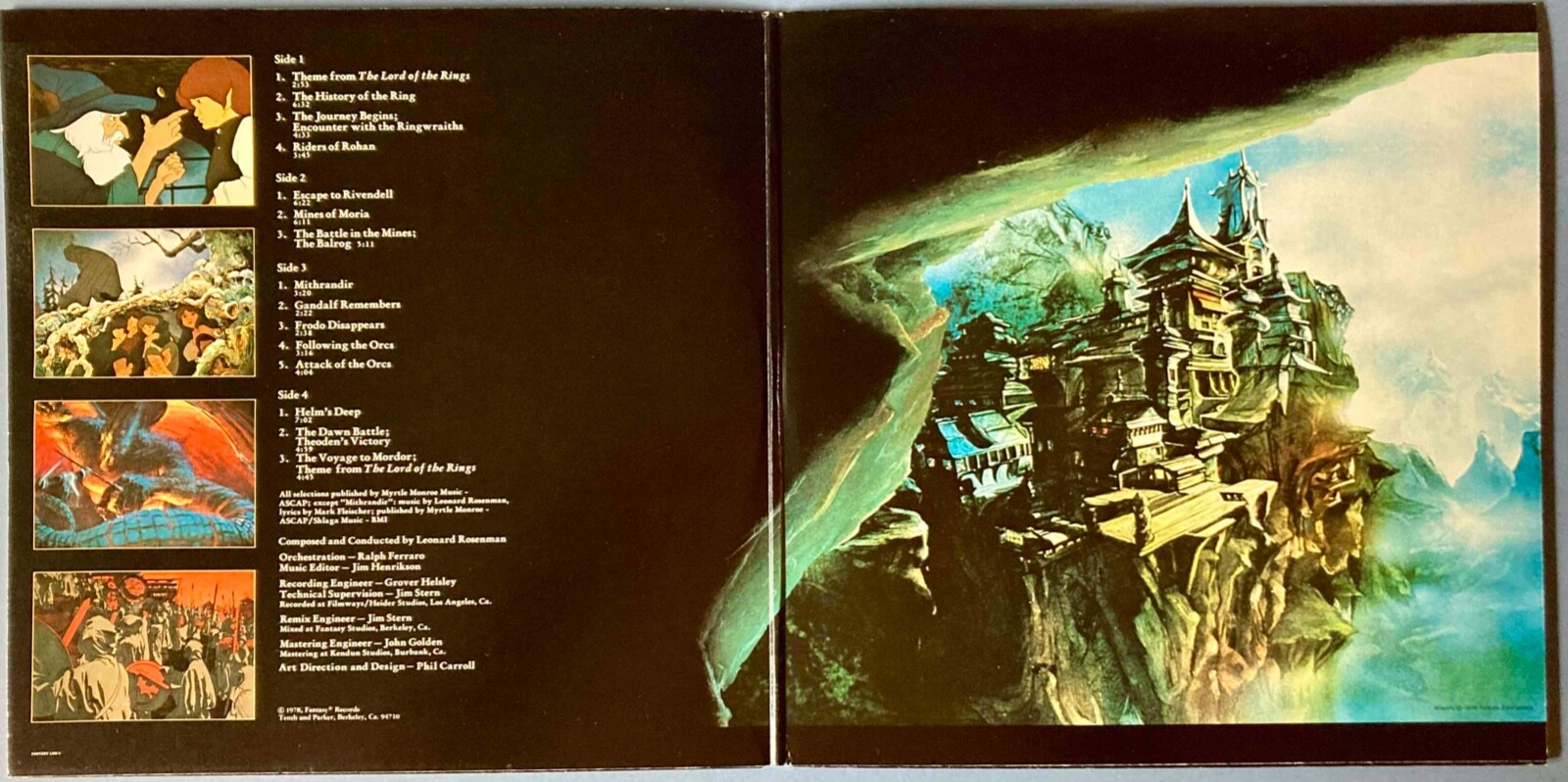
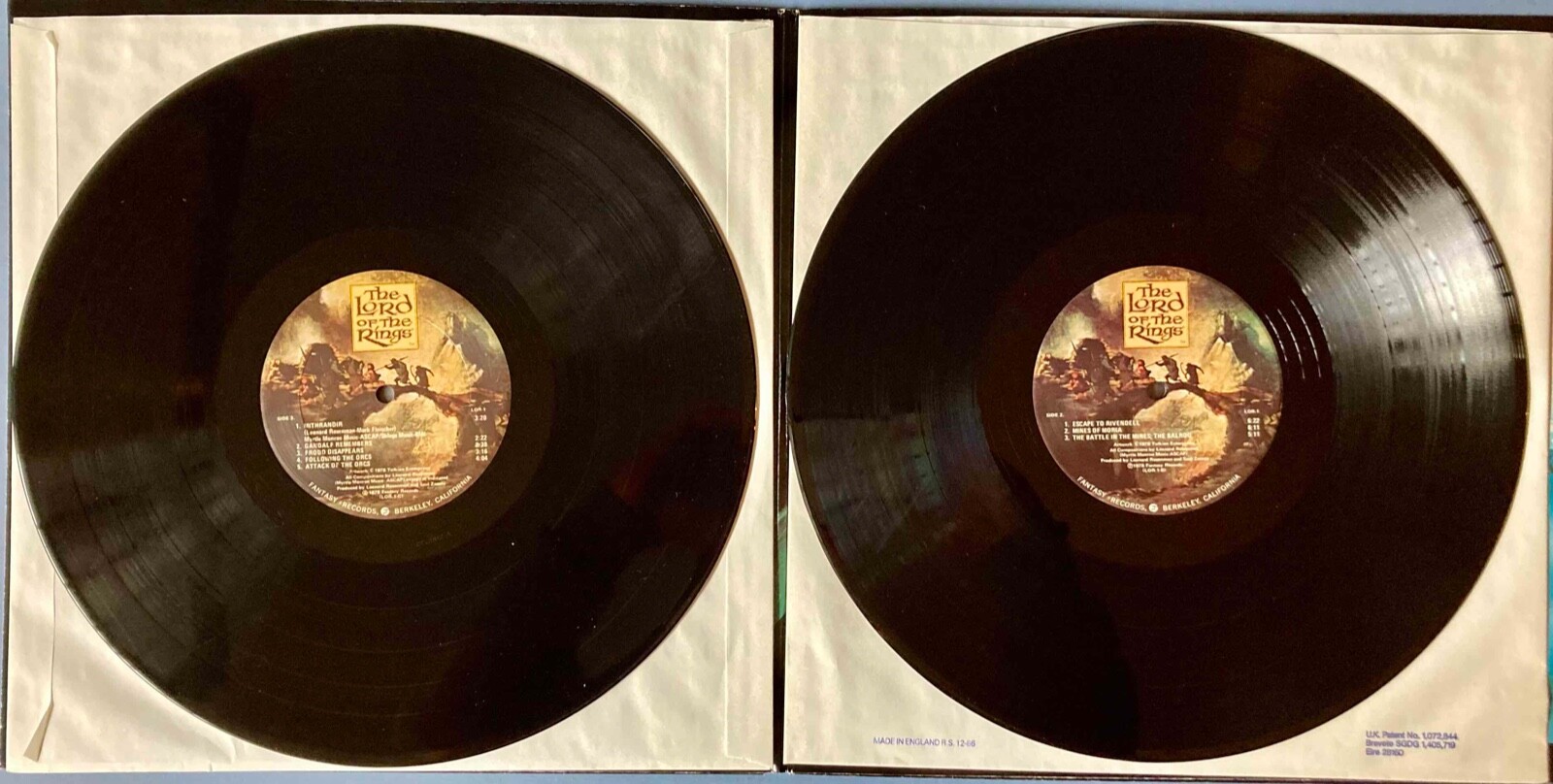
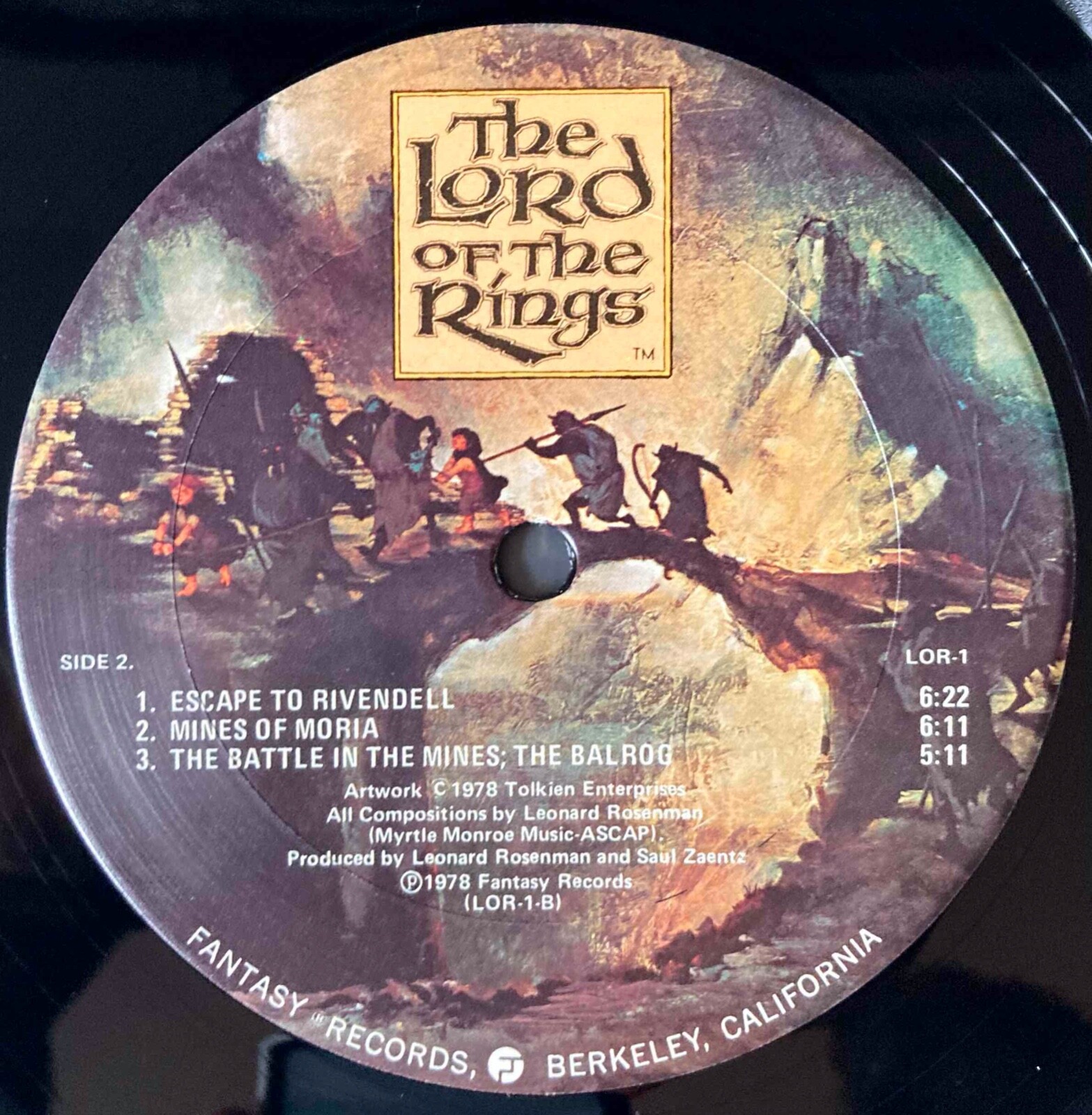
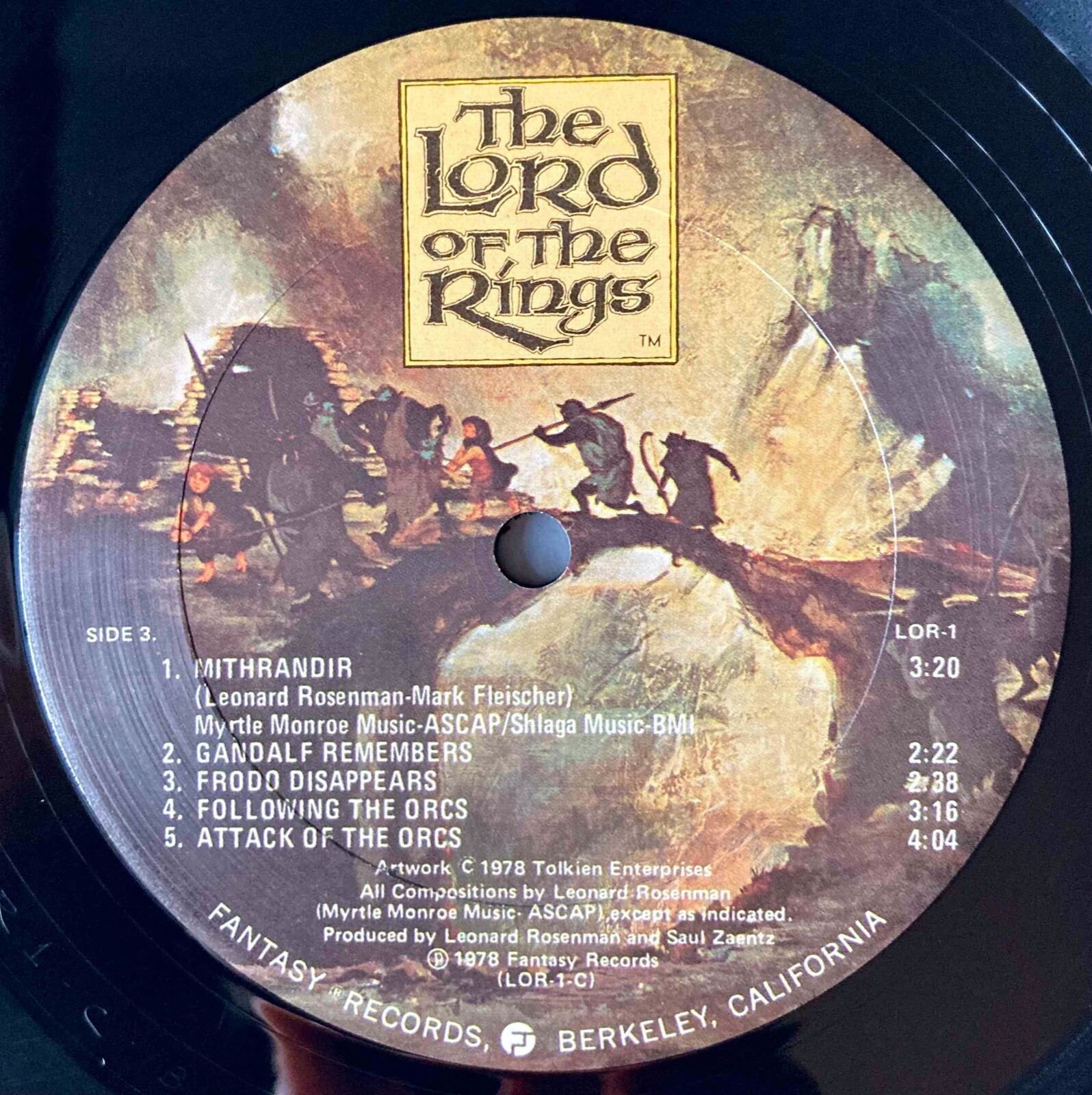
One element that stayed with me is the soundtrack, especially the track Mithrandir. Composed by Leonard Rosenman with lyrics by Mark Fleischer, it serves as a lament for Gandalf’s fall in Moria. Sung by a mixed choir of children and adults, it creates a haunting, emotional resonance that elevates the drama of the scene in the film and, for me, in the book. I remember listening to the LP repeatedly, letting the music transport me back to the world on screen. You can hear it here: Mithrandir.
This combination of imagery and music made Bakshi’s Middle-earth vivid and unforgettable, leaving me with a lasting impression beyond the animation itself.
Reception, Fan Standing, and Middle-earth Limbo
I was wowed, and the official soundtrack LP allowed me to revisit the film in a time before home video. Reception was mixed. Critics noted uneven pacing and visual dissonance, and the incomplete story left some frustrated. For me, the film’s companion sequel never being completed left me in Middle-earth limbo. The Rankin/Bass The Return of the Kingwas a noble attempt, but it landed on the cutesy side of animation. It would not be until Peter Jackson’s The Fellowship of the Ring, with its grand introduction of the Fellowship on the road from Rivendell, that I truly felt like I had seen the characters come to life.
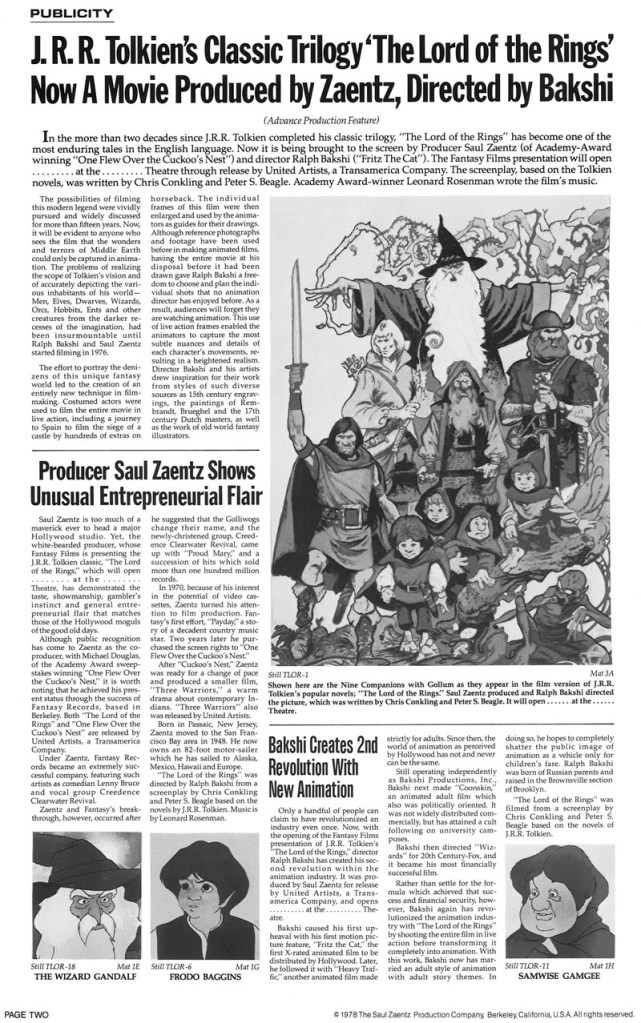
Yet for Tolkien fans, Bakshi’s film is historic, a first serious adaptation and a cult favorite. Its ambition inspired others to see Tolkien as adaptable for film, and forums still celebrate it as imperfect but magical. Many who grew up with Bakshi’s version remember it fondly, nostalgia wrapped around its rough edges.
Lessons for Writers and Creatives
Bakshi’s film teaches about creative courage. Translating a massive literary epic into animation required risk, vision, and innovation. The mix of live-action and rotoscoping offers insight into storytelling across mediums, showing how form affects tone.

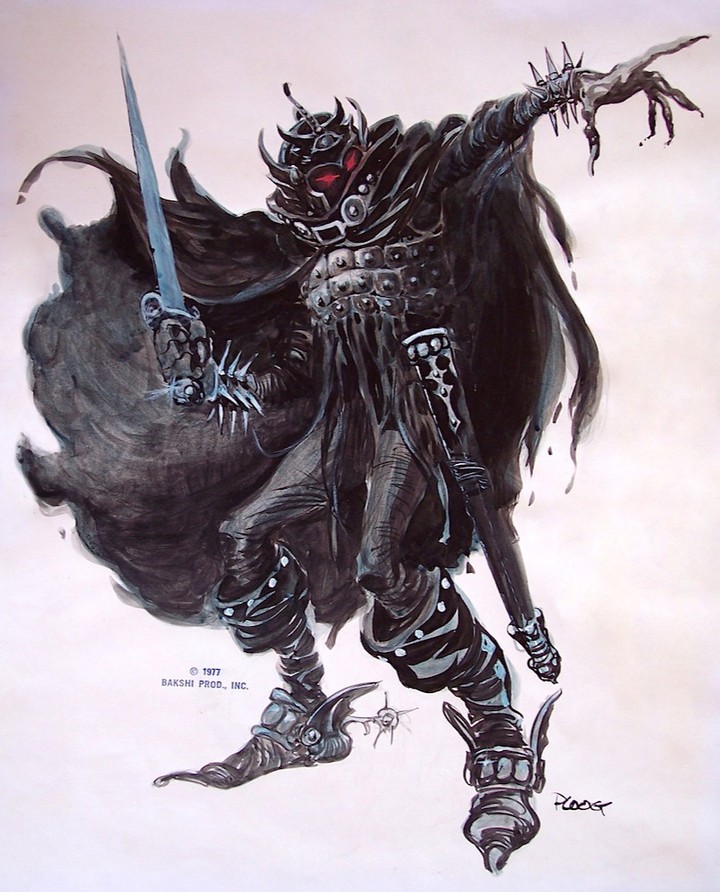
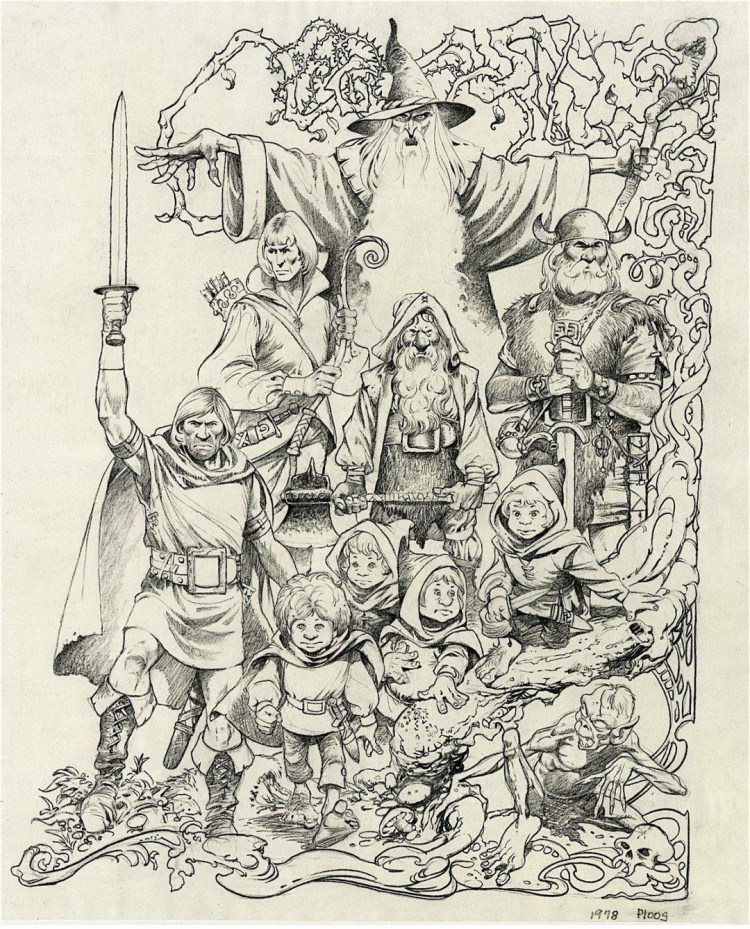
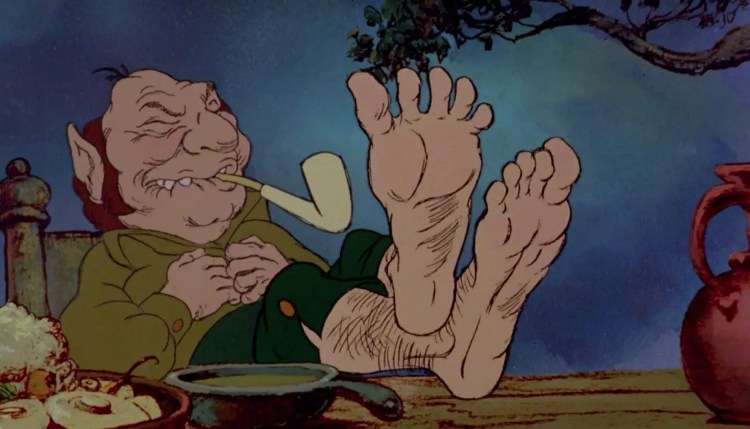
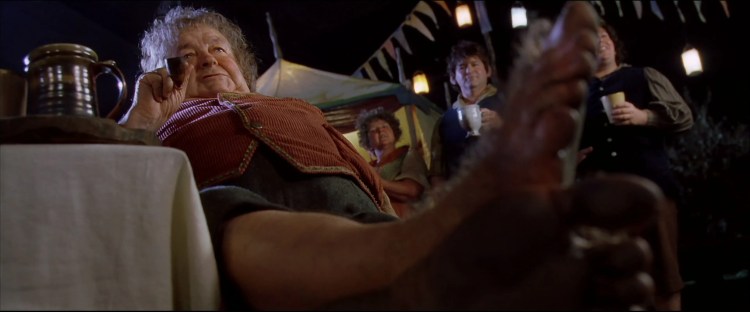
The production story, including Spain filming, tight budget, and incomplete sequel plans, reveals the human effort behind artistic ambition. Even Peter Jackson drew inspiration from Bakshi’s effort, in a small nod to the Proudfoot family in his movie.
Reflection
Walking away from Bakshi’s animated Middle-earth, I am struck by its audacity. It is flawed, incomplete, yet undeniably alive with imagination. Some journeys are uneven, some endings unresolved, yet the adventure leaves a mark. In that sense, Bakshi’s LOTR mirrors Tolkien’s world: vast, daring, and endlessly compelling.
That’s it for now. Thanks for showing up. It matters.

 Veni. Vidi. Scripsi.