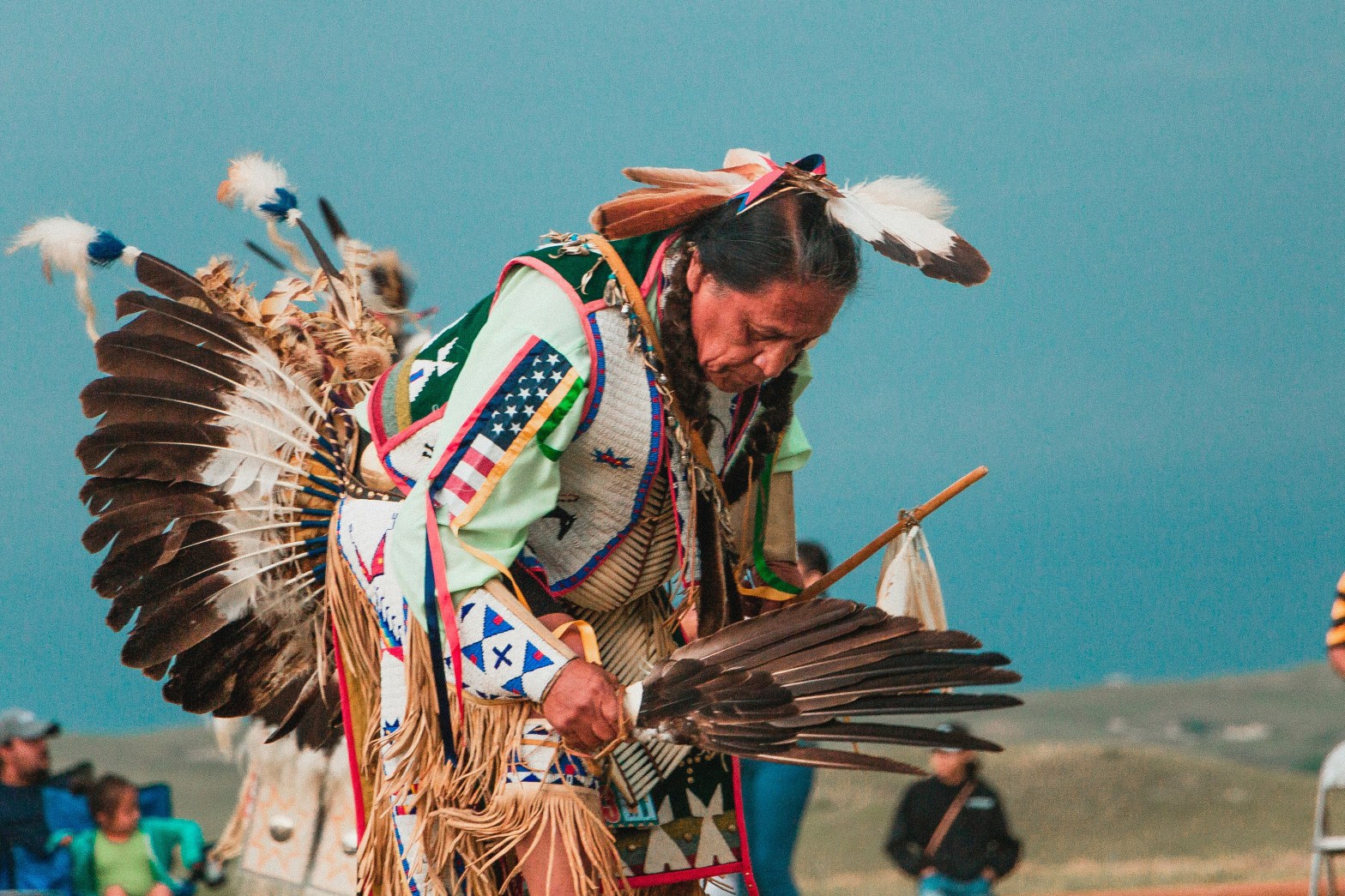
I glanced at the calendar and saw “Native American Heritage Month” sitting there like it always does in November. This time, instead of just scrolling past, I stopped and started digging.
What I found turned a quiet square on the calendar into something alive: real people, deep roots, and stories of resilience that still echo in families today—including my own. Suddenly the whole month felt less like a checkbox and more like an invitation worth accepting.
A Season For Paying Attention
November is set aside as Native American Heritage Month, a time to reflect on the history, resilience, and contributions of Native peoples across the United States. Within that month, the Friday after Thanksgiving is observed as Native American Heritage Day, a day to honor and celebrate the lives, cultures, and traditions of Indigenous communities.
For many, these observances are a quiet call to remember and to listen. Both the month and the day invite us to notice the stories, strength, and perseverance carried forward through generations.
Two Observances, One Long Story
Native American Heritage Month traces back over a century to state-level recognitions starting in 1916. Repeated congressional designations throughout the 1970s and 1980s culminated in the 1990 resolution establishing November as the official annual observance.
Native American Heritage Day, observed on the Friday after Thanksgiving, was permanently designated by law in 2009. Its timing highlights the historical role Native peoples played in sharing knowledge and skills that helped early settlers survive and thrive. Both observances honor culture, history, and ongoing contributions.
A Glimpse Into Native Nations Today

Some points we as Americans may not fully learn in school:
- There are 5741 federally recognized tribes, and many more recognized at the state level.
- Each tribal nation has its own language, governance, history, and cultural identity.
- A “reservation” is land reserved for a tribe: sometimes kept, sometimes assigned, often contested.
- About 9.7 million Native Americans live in the U.S. today2.
- Native history stretches back thousands of years before Europeans arrived.
- Books, films, and classrooms often flatten Native identity into a single image. The truth is far richer, layered, and still very much alive.
Bizhiki: A Story Carved in Stone

Bizhiki (also known historically as Be sheekee or Buffalo) was a distinguished Ojibwa leader. Born on Madeline Island in Lake Superior, he led his people through fur-trade dependence, resource depletion, and government pressure toward land cession and relocation.
He traveled to Washington in 1852 and 18553 to negotiate with U.S. officials. On his second visit, he sat for Italian sculptor Francis Vincenti, resulting in a marble bust still in the U.S. Capitol. His strength is carved into that stone: the headdress, the war shield, the steady eyes. Vincenti intended it as a record of Indian culture for future generations.
In Our Own Family Story
One side of the family traces Native heritage back through the father’s line. Around the turn of the last century, they migrated from Idaho to rural Louisiana, eventually settling in Vernon Parish as farmers and ranchers. He grew up carrying that identity without fanfare: he quit school young to keep the family afloat after his father’s death, worked long days on foot in the fields, and went on to serve in the Navy in WWII. Other family lines trace back to Oklahoma, adding more threads to our story.
The same resilience we see in our ancestors lives in our family today: steady, grounded, shaped by generations who learned to work, survive, adapt, and hold fast.
Ways to Observe With Respect
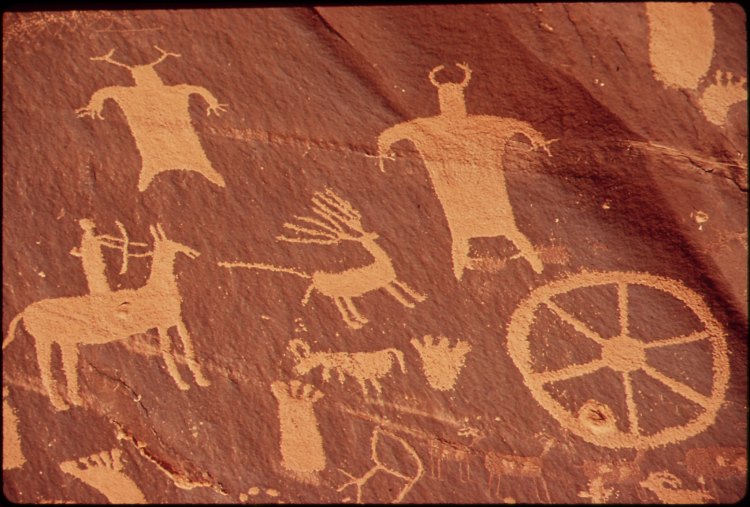
Here are a few meaningful ways to honor Native heritage:
Books for Adults
Fiction
- Winter in the Blood by James Welch (Blackfeet/Gros Ventre)
A seminal novel of Native life on the reservation, blending humor, introspection, and everyday struggles. It captures the quiet rhythms of family, land, and identity in modern Montana. - The Round House by Louise Erdrich (Turtle Mountain Chippewa)
A National Book Award-winning story blending coming-of-age and legal mystery. It addresses justice, family bonds, and the ongoing impact of colonial laws on tribal communities. - Ceremony by Leslie Marmon Silko (Laguna Pueblo)
A poetic novel about a WWII veteran returning to Laguna traditions to heal from war trauma. Explores reconciliation with history, the land, and community. - House Made of Dawn by N. Scott Momaday (Kiowa)
Pulitzer Prize-winning novel tracing a Pueblo man’s struggle with alienation and modernity post-WWII. It illustrates the tension between tradition and adaptation, foundational to the Native American literary renaissance.
Non-Fiction
- Braiding Sweetgrass by Robin Wall Kimmerer (Citizen Potawatomi Nation)
Essays blending botany, science, and Indigenous wisdom. Teaches reciprocal relationships with the land, showing how cultural knowledge and ecological care are intertwined. - The Heartbeat of Wounded Knee by David Treuer (Ojibwe)
Counters myths of Native decline by chronicling survival, adaptation, and thriving communities from 1890 to today. Highlights the ongoing vibrancy of Native culture. - Braiding Sweetgrass by Robin Wall Kimmerer (Citizen Potawatomi Nation)
Essays blending botany, science, and Indigenous wisdom. Teaches reciprocal relationships with the land, showing how cultural knowledge and ecological care are intertwined. - The Heartbeat of Wounded Knee by David Treuer (Ojibwe)
Counters myths of Native decline by chronicling survival, adaptation, and thriving communities from 1890 to today. Highlights the ongoing vibrancy of Native culture. - 1491: New Revelations of the Americas Before Columbus by Charles C. Mann
Explores the sophisticated societies of pre-Columbian Americas through archaeology and history, revealing vibrant cultures long before European contact. - The Dawn Land by W. C. Jameson
A narrative history of early Native peoples in North America, drawing on oral traditions and evidence to paint a picture of diverse, thriving communities.
Books for Children (Ages 4–12)
Fiction / Read-Alouds
- Fry Bread: A Native American Family Story by Kevin Noble Maillard (Seminole Nation), illustrated by Juana Martinez-Neal
Celebrates fry bread as a symbol of family, tradition, and cultural survival. Vibrant illustrations and rhythmic storytelling convey joy and community connection. - The Birchbark House by Louise Erdrich (Turtle Mountain Chippewa)
Middle-grade historical novel following Ojibwe girl Omakayas in the 1840s. Explores family, seasonal traditions, and cultural resilience, offering young readers a personal view into history. - The Birchbark House by Louise Erdrich (Turtle Mountain Chippewa)
Middle-grade historical novel following Ojibwe girl Omakayas in the 1840s. Explores family, seasonal traditions, and cultural resilience, offering young readers a personal view into history. - Bowwow Powwow by Brenda J. Child (Red Lake Ojibwe), illustrated by Jonathan Thunder and Gordon Jourdain
Bilingual picture book about a girl dreaming of a dog-filled powwow. Celebrates modern life, creativity, and cultural pride.
Non-Fiction / Educational
- We Are Grateful: Otsaliheliga by Traci Sorell (Cherokee Nation), illustrated by Frané Lessac
Introduces Cherokee words and traditions through seasons of gratitude. Teaches children mindfulness, respect, and cultural awareness. - At the Mountain’s Base by Traci Sorell (Cherokee Nation), illustrated by Weshoyot Alvitre (Tongva)
Poetic tribute to Native women in WWII. Highlights courage, family prayer, and the strength of homefront communities. - We Are Still Here! Native American Truths Everyone Should Know by Traci Sorell (Cherokee Nation), illustrated by Frané Lessac
Explores key aspects of Native history and culture through engaging facts and illustrations, fostering understanding without advocacy. - The Water Lady by Alice B. McGinty, illustrated by David Fadden (Mohawk)
Picture book biography of Navajo engineer Mary Golda Ross, celebrating her contributions to science and community through everyday innovation.

Films to Watch
Adults (PG-13+)
Fiction / Drama
- Smoke Signals (1998) – Written by Sherman Alexie, directed by Chris Eyre (Cheyenne/Arapaho & Spokane-Coeur d’Alene)
Road-trip story that blends humor and grief, exploring friendship, generational trauma, and reconciliation with family and culture. - The Exiles (1961, restored 2008) – Directed by Kent Mackenzie
Semi-documentary portrait of urban Native life in 1950s Los Angeles. Teaches the endurance of culture amidst displacement and modernization. - Atanarjuat: The Fast Runner (2001) – Directed by Zacharias Kunuk (Inuit)
First feature film in Inuktitut, telling a thrilling Arctic legend. Highlights storytelling as a means of cultural survival and identity. - Dances with Wolves (1990) – Directed by Kevin Costner
Epic Western depicting Lakota Sioux life in the 1860s, emphasizing cultural exchange, daily traditions, and the beauty of the Plains.
Documentary / Non-Fiction
- Gather (2020) – Directed by Sanjay Rawal
Focuses on Indigenous food sovereignty and reclaiming ancestral diets. Demonstrates the link between culture, land, and community health. - In the Heart of Big Mountain (1988) – Directed by Catherine Stewart
Explores Navajo life and traditions in the Southwest, showcasing family stories, weaving, and connection to the land.
Children & Families (Ages 6+)
Animation
- Molly of Denali – Feature-Length Special: Molly Mabray and the Big Squash Feast (2023)
Educational, fun, and culturally rich. Shows Indigenous storytelling, community celebration, and connection to the land.
- Raven Tales (2004–2010)
Animated Pacific Northwest legends teaching respect, cleverness, and ethical lessons through traditional stories.
Live-Action / Family Drama
- The Cherokee Word for Water (2013)
Family-friendly biopic about Wilma Mankiller bringing running water to Bell, Oklahoma. Inspires leadership, persistence, and community service.
- Te Ata (2016)
Story of Chickasaw storyteller Mary Thompson performing for national audiences. Emphasizes oral history, cultural preservation, and inspiration.
Short Films
- The Shirt (2021, 5 min)
Teaches respect for tribal regalia and personal identity.
- Waa’aka: The Bird Who Fell in Love with the Sun (2022, 12 min)
Animated creation story illustrating values, myth, and wonder in Native storytelling.

Chitimacha Tribe Recipes
The Chitimacha Tribe of Louisiana, one of Louisiana’s federally recognized tribes, has a culinary tradition rooted in the Atchafalaya Basin’s resources, including corn, duck, and local produce. Their official website features a dedicated recipes section with traditional dishes. Here are direct links to some key recipes:
Chitimacha Baked Duck – A savory dish using wild duck, onions, and herbs.
Macque Choux – A corn and tomato stew adapted from Chitimacha traditions.
Corn Soup – A hearty soup made with hominy, venison, and wild greens.
Choctaw-Apache Tribe of Ebarb Recipes
The Choctaw-Apache Tribe of Ebarb (state-recognized in Louisiana) preserves recipes blending Choctaw staples like corn and game with Apache influences from their historical migration. Their cookbook, Louisiana Cooking by Native American Choctaw-Apache, includes over 200 family recipes for dishes like fry bread, stews, and herbal remedies. It’s available digitally for $5, with proceeds supporting federal recognition efforts. Click here to see a PDF sample of the cookbook (includes gumbo variations and traditional porridges).
Jena Band of Choctaw Indians Recipes
The Jena Band of Choctaw Indians (federally recognized in Louisiana) draws from Southeastern Woodlands traditions, emphasizing corn, beans, and wild game. Authentic recipes are shared through cultural health initiatives.
- Chahta Tamfula – Choctaw hominy bread, a simple corn-based staple.
- Additional Choctaw dishes like corn pudding and succotash: Choctaw Recipe Collection.
General Louisiana Native American Recipe Resources
For broader access to recipes from Louisiana tribes , this site aggregates traditional dishes:
- Healthy Traditions: Recipes of Our Ancestors (a PDF cookbook with Louisiana tribal contributions, focusing on pre-colonial ingredients like wild rice and foraged greens).
Other Resources
The First Nations Development Institute, whose mission it is to support Native communities, has some interesting free cookbooks at these links:
- Cooking Healthier with FDPIR Foods
- Oneida Traditional & Healthy Foods for Our Community Cookbook
- Cooking with Navajo Traditional Foods
Here are a few recipes from their website:
Sunprint Cookies – Gluten-free treats blending puréed sweet winter squash, ground sunflower seeds, maple syrup, and chokecherry jam, rolled in seeds for texture; a fusion of Indigenous seasonal ingredients highlighting First Nations traditions.
Pemmican – Traditional preservation food of dried meat (buffalo, game, or beef), dried chokecherries or juneberries, sugar, and lard for binding; semi-moist, flavorful, and storable in bags, embodying First Nations endurance techniques.
Dry Meat Soup – Hearty soup from rehydrated dry meat, potatoes or hominy, and salt pork, simmered long in reduced water for intense flavor; a First Nations staple that softens tough meat without dilution.
Dried Berries – Northern Cheyenne patties of blended chokecherries, buffalo berries, or wild blueberries—including seeds—dried in the sun; storable for later sauce-making, using historical pounding methods for whole-fruit preservation.
Berry Pudding (Northern Cheyennes make Chokeberry Pudding) – Boiled and mashed chokecherries thickened with flour into a simple pudding, sweetened to taste; a flexible Northern Cheyenne dessert relying on seasonal berries without exact measures.
Wild Rice Hamburgers – Moist beef patties infused with cooked wild rice for lighter texture and nutty flavor; inspired by Indigenous meat-binding techniques, elevating wild rice’s distinct character.
Blueberry and Peach Salsa – Fresh, fruity mix of blueberries (a Great Lakes summer staple), peaches from tribal regions, tomatoes, onions, and lime; zesty and versatile, paired with chips for easy enjoyment.
Corn, Blueberry and Wild Rice Salad – Vibrant salad of sweet corn, juicy blueberries, crisp cucumber, and nutty wild rice, tossed in lime-honey dressing; celebrates First Nations produce in a fresh, balanced profile.
Double Cornbread Muffins – Savory muffins doubling corn with coarse cornmeal and fresh kernels, plus sage, maple syrup, and buttermilk; golden, portable bites with textured authenticity from Indigenous grains.
Three Sisters Soup – Warm, spiced broth pureed from butternut squash, white beans, hominy, corn, onions, garlic, and curry; honors the sacred “three sisters” crops central to First Nations agriculture.
Wojapi (Dakota Berry Sauce) – Simmered blueberries or chokecherries thickened with cornstarch and sweetened with maple syrup; versatile Dakota topping for cornbread or ice cream, rooted in berry-rich traditions.
Wild Gitigan Salad – Nutritious blend of wild rice, kale, black beans, and tomatoes or ground cherries; crafted by Native youth to promote cultural ingredients and local farming initiatives.
Grandmas Fry Bread – Simple fried dough of flour, powdered milk, sugar, yeast, and water, shaped into golden triangles; a cherished First Nations comfort food evoking family traditions.

Tribal Nations in Louisiana
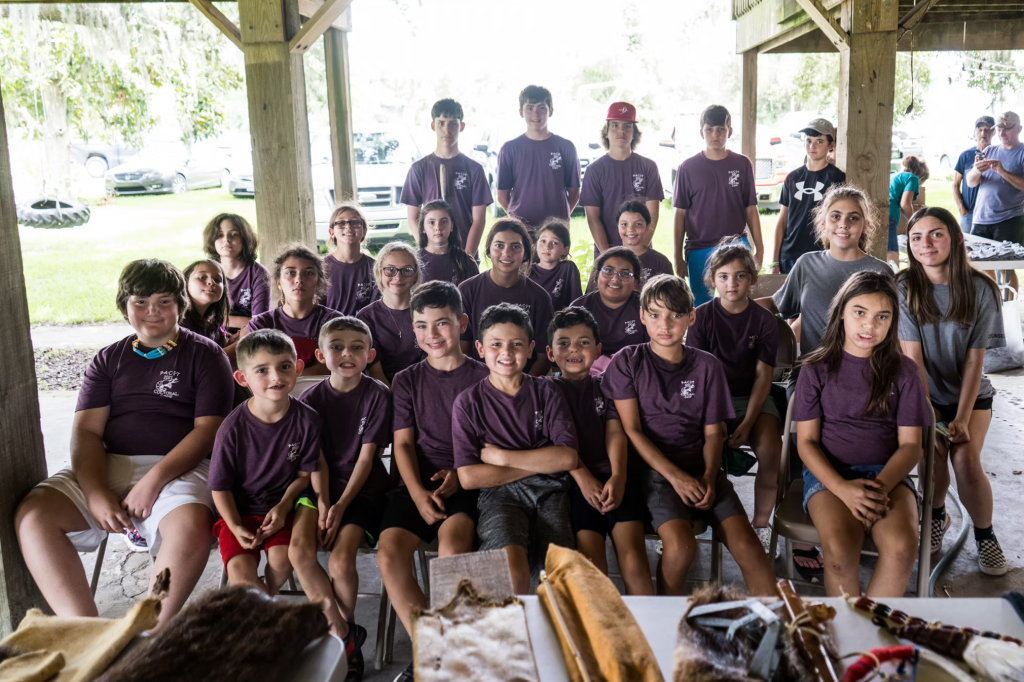
Louisiana’s Indigenous history spans over 10,000 years. Tribes include Chitimacha, Atakapa, Caddo, Choctaw, Houma, Natchez, and Tunica. Today there are four federally recognized tribes and 11 state-recognized tribes maintaining traditions, languages, and governance while navigating modern challenges.
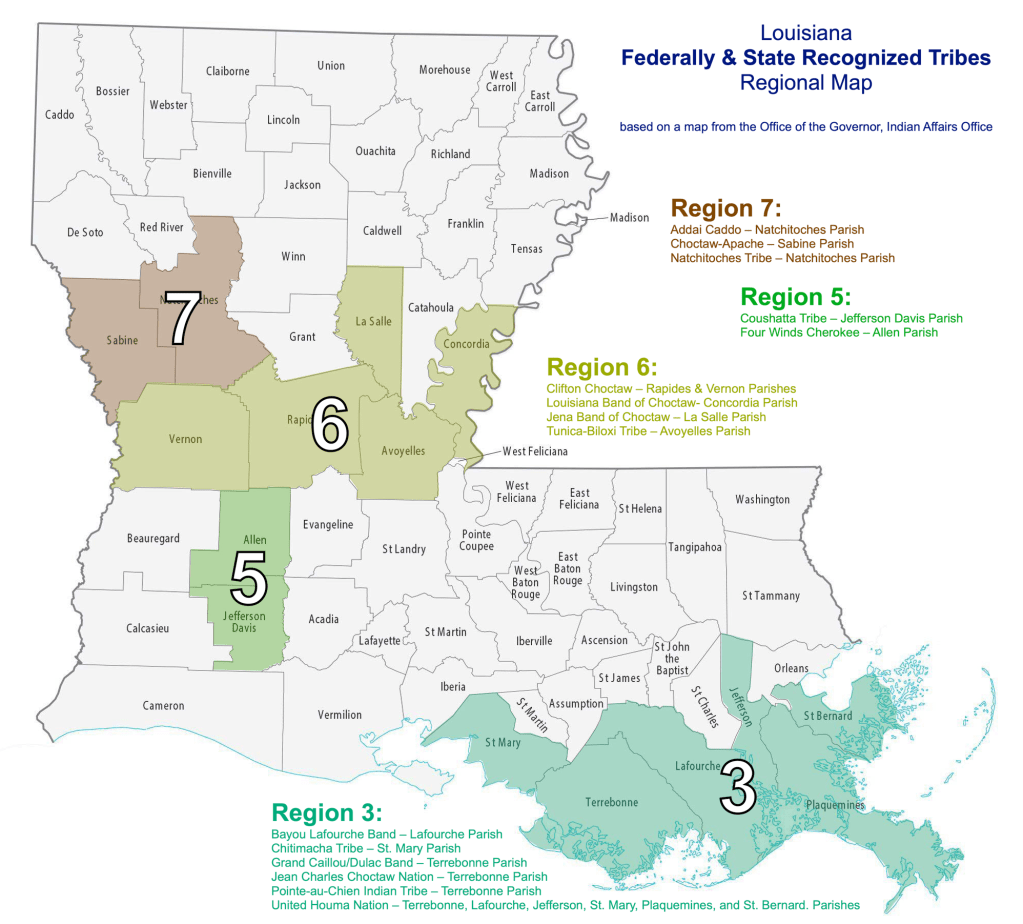
Federally Recognized Tribes
- Chitimacha Tribe of Louisiana: https://www.chitimacha.gov/
- Coushatta Tribe of Louisiana: https://www.coushatta.org/
- Jena Band of Choctaw Indians: https://www.jenachoctaw.org/
- Tunica-Biloxi Indian Tribe of Louisiana: https://www.tunicabiloxi.org/
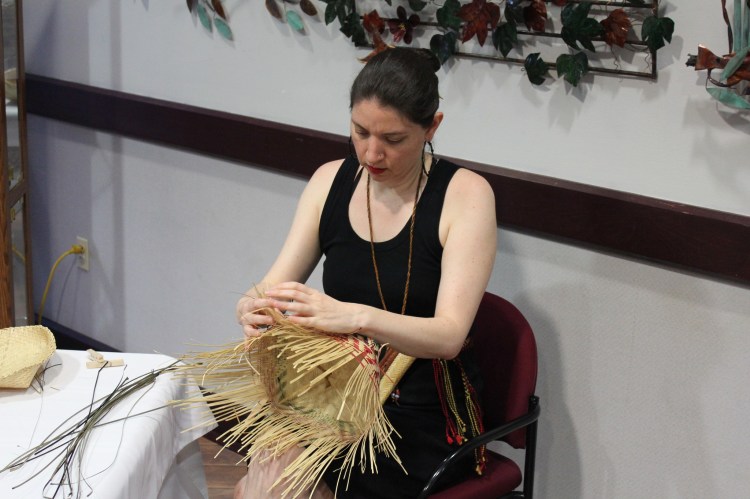
State-Recognized Tribes (selected highlights)
- United Houma Nation: https://www.unitedhoumanation.org/
- Pointe-au-Chien Indian Tribe: https://pactribe.com/
- Choctaw-Apache Community of Ebarb: https://www.choctawapache.org/
For a full list, see Louisiana Governor’s Office of Indian Affairs.
A Closing Thought
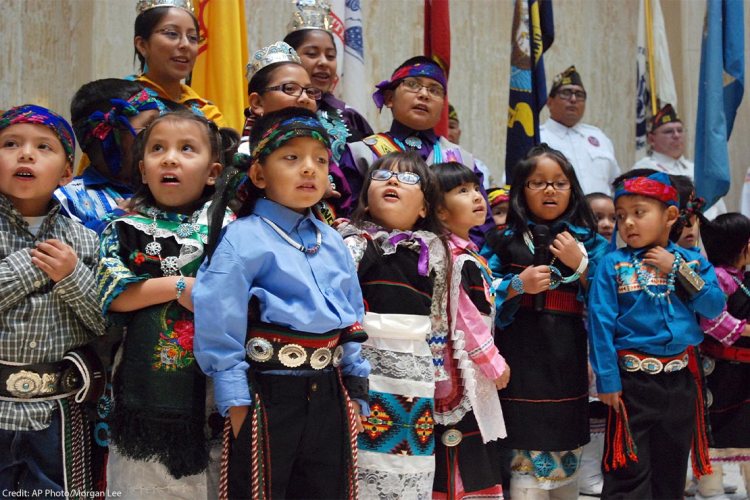
Heritage Month and Heritage Day are invitations: to listen, to honor, and to reflect honestly. In learning these stories, we catch glimpses of courage, hope, and perseverance that echo a deeper, enduring love: for family, community, and the world God entrusted to us.
Even a small step toward understanding these lives and histories carries weight. There is dignity in showing up, attention in remembering, and grace in caring.
That’s it for now. Thanks for showing up. It matters.

Top photo by Andrew James on Unsplash
 Veni. Vidi. Scripsi.