
Some inherit stories. Christopher Tolkien inherited a whole world.
Born November 21, 1924, he was the youngest son of J.R.R. and Edith Tolkien — and the first audience for The Hobbit. His father’s voice filled his childhood evenings with dwarves, dragons, and a little hobbit named Bilbo. Before the world knew those names, Christopher did.
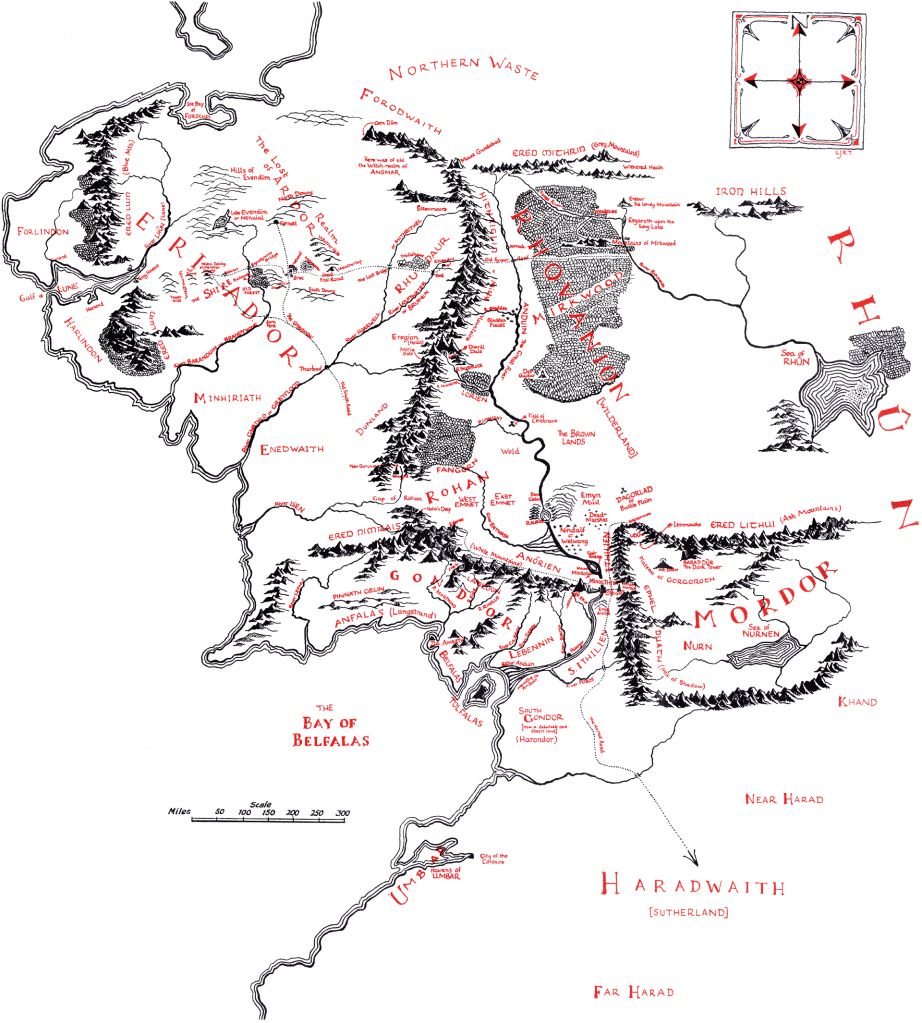
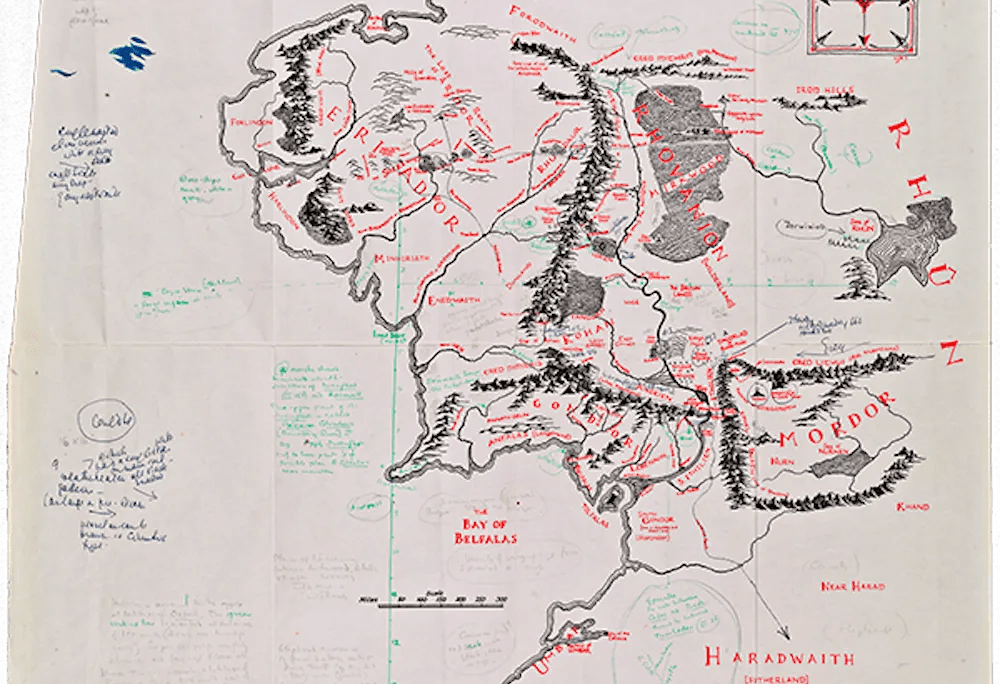
He had a sharp mind, a steady hand, and a gift for order. As a young man, he turned his father’s rough sketches into the maps that guided millions of readers through Middle-earth. Those winding rivers, mountain ranges, and winding roads were not just art — they were structure, a cartographer’s faith in the geography of imagination. His maps showed us that this fantasy world was built with real weight and purpose.
After his father’s passing in 1973, Christopher became more than an heir. He became the bridge. Over nearly five decades, he organized drafts, deciphered notes, and brought forth The Silmarillion, Unfinished Tales, and the twelve-volume History of Middle-earth. Each book represented not only a scholar’s devotion but a son’s love.

He was meticulous, sometimes stubborn, always faithful. In a literary age of shortcuts, he chose the long road. He refused to let the legendarium fade into the fog of “unfinished work.” Because of that, readers today can still walk under the stars of Beleriand, stand at the gates of Gondolin, and feel the ache of stories that began before the world was made.
Christopher Tolkien passed away in 2020 at the age of ninety-five. But every time someone unfolds a map of Middle-earth, or opens a volume he edited, his hand is still guiding the way. His life was a quiet kind of heroism — a lifetime spent in service to beauty, truth, and faithfulness.
Today we don’t mourn; we give thanks. For a son who listened, a scholar who built, and a mapmaker who charted not just a land but a legacy.
That’s it for now. Thanks for showing up. It matters.

 Veni. Vidi. Scripsi.