
Stories shape worlds, worlds shape stories. And sometimes, a story about stories can change how we see both.
On Fairy Stories (1947)
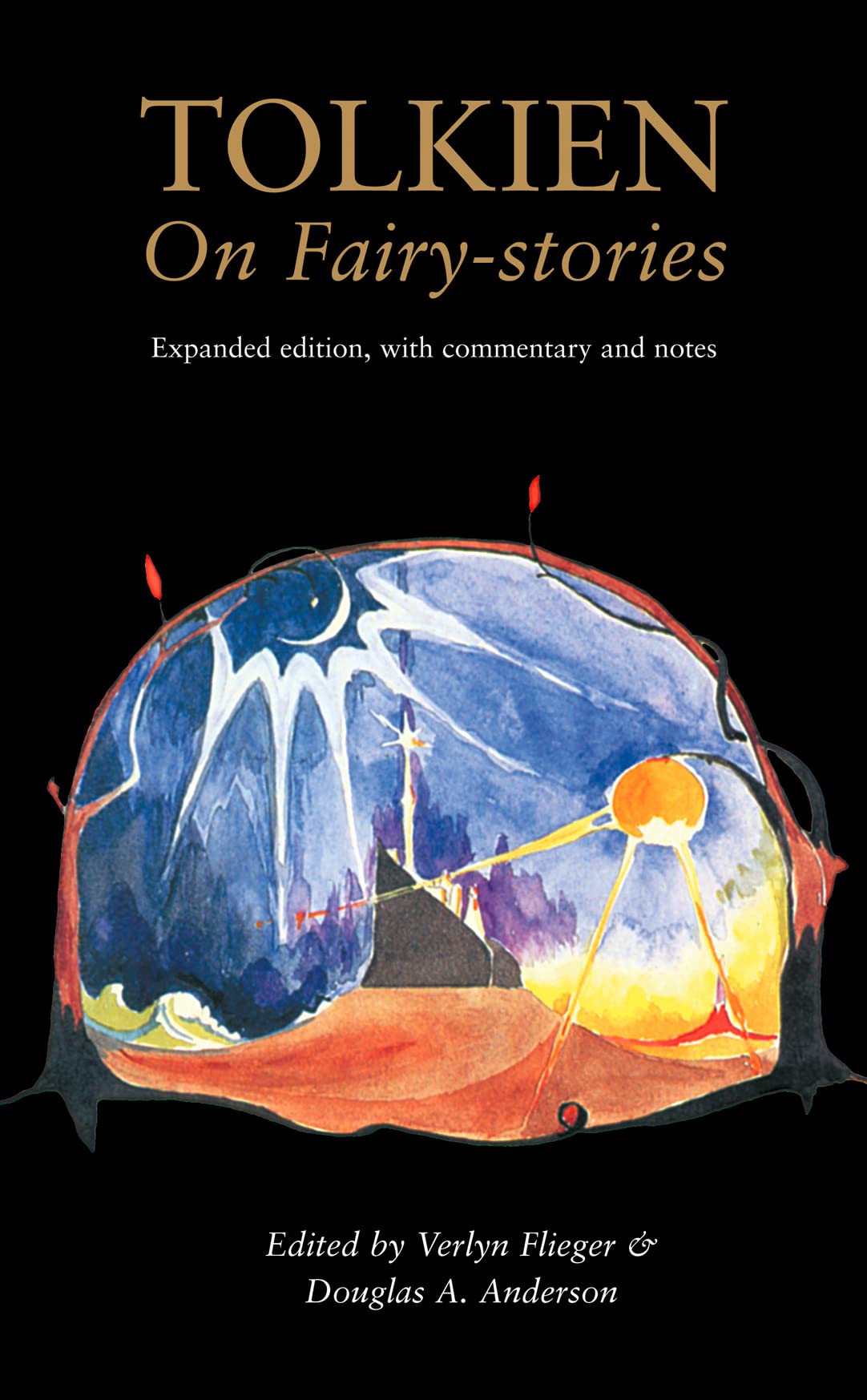
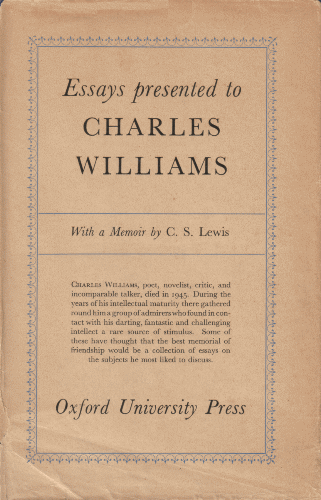
A lecture becomes a touchstone, a scholarly reflection on imagination, myth, and meaning. On December 4, 1947, J. R. R. Tolkien’s essay On Fairy Stories was published in Essays Presented to Charles Williams, though the ideas were first shared in a 1939 lecture. Over the decades, it has also appeared as a standalone book in 2008, giving new generations access to Tolkien’s thoughts on fantasy, creativity, and the art of storytelling.
Tolkien’s experiences as a scholar, a storyteller, and a reader of myth quietly shape his arguments. He explores how fairy tales offer escape without evasion, recovery of perspective, and consolation in a world often harsh and unpredictable. The essay probes the nature of fantasy itself: how it grows, what it teaches, and why it matters. Tolkien reminds us that fairy stories are not frivolous—they are vital exercises of the imagination, capable of shaping hearts and minds.
“The realm of fairy-story is wide and deep and high and filled with many things: all manner of beasts and birds are found there; shoreless seas and stars uncounted; beauty that is an enchantment, and an ever-present peril; both joy and sorrow sharp as swords. In that realm a man may, perhaps, count himself fortunate to have wandered, but its very richness and strangeness tie the tongue of the traveller who would report them. And while he is there it is dangerous for him to ask too many questions, lest the gate should be shut and the keys be lost.” —J.R.R. Tolkien, On Fairy-Stories, in The Monsters and the Critics and Other Essays
What makes it special
- Provides a foundational defense and analysis of fantasy literature, bridging academic thought and personal reflection.
- Explains the role of “Faërie” in human imagination: escape, recovery, and consolation.
- Illuminates Tolkien’s own creative philosophy, showing how myth and story enrich understanding of the world.
Why it matters
- For readers, it affirms that imagination and wonder are not mere play—they are essential.
- For Tolkien enthusiasts, it reveals the intellectual and moral foundations behind The Hobbit and The Lord of the Rings.
- Even for newcomers, it invites reflection on the power of stories to teach, console, and inspire.
- It models the enduring link between creativity and meaning, showing that the art of storytelling carries moral and emotional weight.
- It emphasizes that myths, legends, and fairy tales are living tools to navigate life, offering lessons across generations.
On Fairy Stories continues to speak to the importance of imagination, reminding us that storytelling is both a refuge and a lens through which we understand the world.
That’s it for now. Thanks for showing up. It matters.

 Veni. Vidi. Scripsi.