
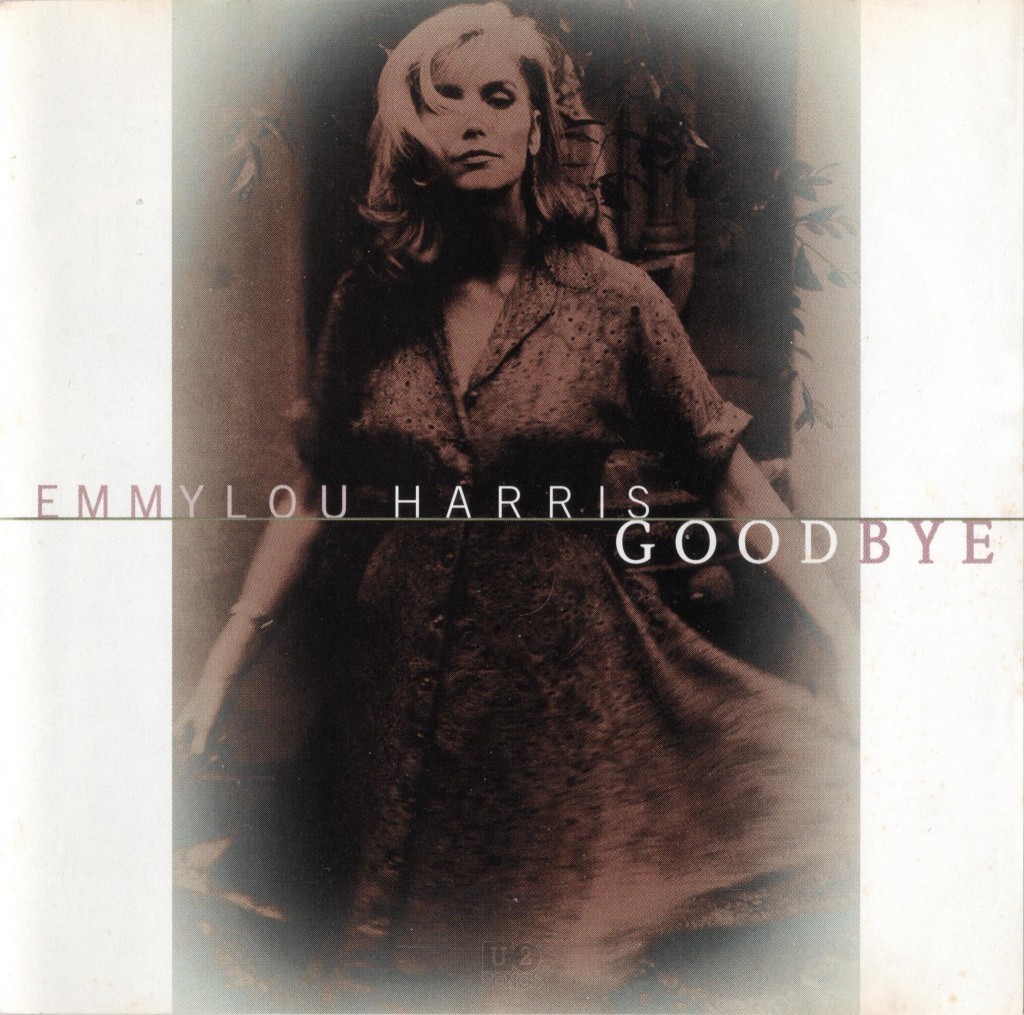
“I can’t remember if we said goodbye.”
That line from Emmylou Harris’s cover of “Goodbye” always gets me, and did again this morning, coffee in hand before the sun cleared the piney woods. It’s a simple lyric, almost plain-spoken, but it carries an unexpected weight. The kind that comes not from tragedy, but from uncertainty itself.
Harris recorded this song for her 1995 album Wrecking Ball, a stark departure from the pristine country sound she was known for. Working with producer Daniel Lanois, she embraced a raw, atmospheric approach: layered textures, ambient guitars, a willingness to let her voice crack and breathe. She chose Steve Earle’s “Goodbye” precisely because it captured something unflinching and real, a brokenness that matched the album’s aesthetic. The song is a reflection on a relationship that didn’t just fail, but disappeared without the dignity of a final, clear word. The singer recalls the long nights and admits her own failings:
“Somewhere in there I’m sure I made you cry.”
The character she’s singing expresses honest guilt about their role in the breakdown. But the real ache, the thing that keeps circling back, is that missing word. That forgotten goodbye is the key to closure, the necessary finality that allows a soul to set something down and move forward. Without it, the past doesn’t stay past. It lingers as a ghost with an unfinished conversation. The pain becomes seasonal, dull but persistent:
“Most Novembers I break down and cry, ‘Cause I can’t remember if we said goodbye.”
The Context Changes Everything
Steve Earle wrote this song right after getting sober, which matters. The lyric about being “down in Mexico” and wondering, “Was I just off somewhere or just too high?” points to a life lived in confusion and self-absorption. The memory is gone because the man himself was truly absent: not just from the room, but from the simple human act of honoring another person with a final, honest conversation.
This is where the song moves from personal lament to necessary observation. The burden of the unsaid goodbye often comes from not being fully present in our own lives, from valuing distraction or comfort over the simple truth required in human connection.
The Dignity of Being There
We can’t always control how things end. Life is full of sudden turns and unexpected departures. But we can control whether we’re fully present in the time we’re given. That means being honest about what’s ending and why it’s ending, even when it’s hard.
The goal isn’t to engineer perfect closure or avoid all pain. It’s to offer the simple dignity of clear words and honest presence. When we do that, we grant others—and ourselves—the ability to set the past down when it’s truly finished. That missing goodbye in the song carries weight precisely because it represents an absence where presence was owed.
What the song asks of us is simpler than it sounds: be present. Offer honest words when it matters. Give people the clarity they deserve, even when it costs us something. The alternative is November after November of breaking down, wondering if you ever really said goodbye at all.
That’s it for now. Thanks for showing up. It matters.

If you’re interested in hearing the song, here ’tis:
Lyrics
I remember holdin’ on to you
All them long and lonely nights I put you through
Somewhere in there I’m sure I made you cry
But I can’t remember if we said goodbye
But I recall all of them nights down in Mexico
One place I may never go in my life again
Was I just off somewhere or just too high
But I can’t remember if we said goodbye
I only miss you every now and then
Like the soft breeze blowin up from the Carribean
Most Novembers I break down and cry
Cause I can’t remember if we said goodbye
But I recall all of them nights down in Mexico
One place I will never go in my life again
Was I just off somewhere or just too high
But I can’t remember if we said goodbye
No I can’t remember if we said goodbye
Goodbye goodbye
 Veni. Vidi. Scripsi.