

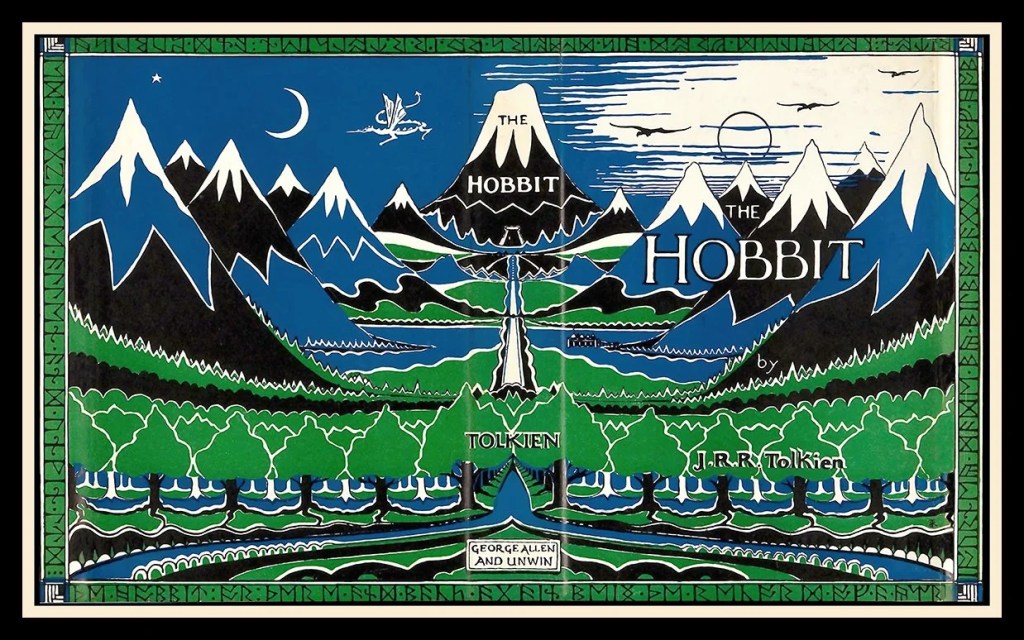
I first walked into Middle-earth in the mid-70s through a brand-spanking-new paperback copy of The Hobbit. Bilbo’s unexpected adventure was playful, sharply drawn, and rooted in a storyteller’s wink. Decades later, Peter Jackson invited us back again, but with a different tone, different scale, and (for many of us) a different set of expectations.
Today I’m marking the eleventh anniversary of the second of the three Hobbit films1: The Hobbit: The Desolation of Smaug, released on December 13, 2013. Whether you loved its swagger or winced at its excesses, this middle chapter carved out its own identity in the trilogy and in the ongoing debate about adapting Tolkien for the big screen.
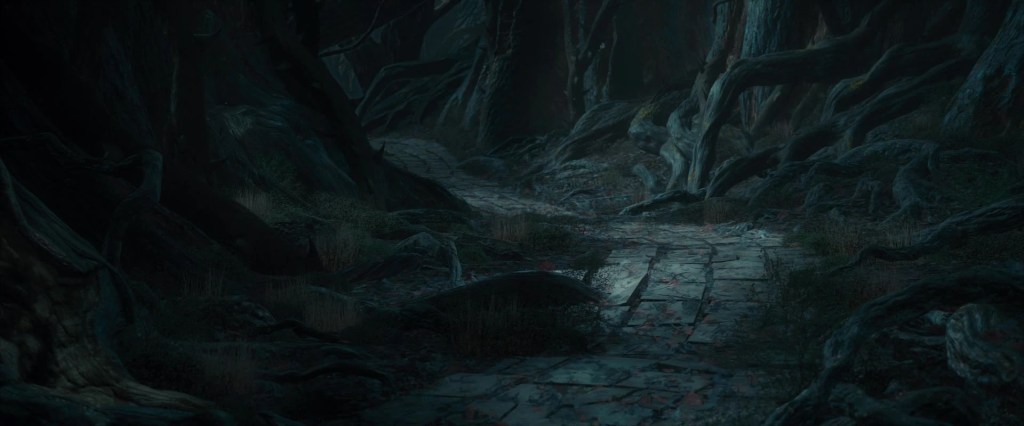
When the Road Darkens (and Stretches)
If An Unexpected Journey tried to recapture the comfort of home, The Desolation of Smaug is where that comfort drops away. The tone shifts. The world widens. The shadows lengthen. And suddenly, the story that began with a dwarven tea-party feels like it’s galloping toward the edge of something darker and grander.
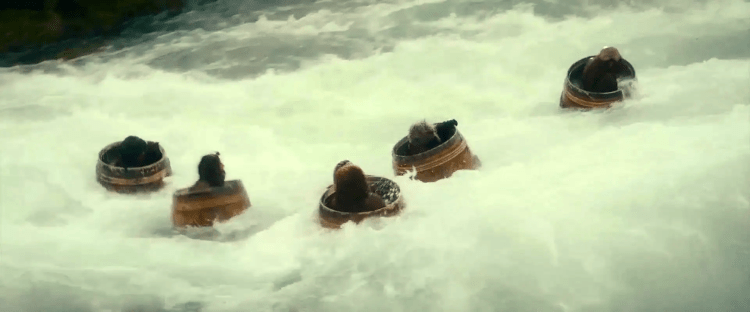
Jackson leans into momentum here. From the Elven-king’s halls to Laketown’s grime, the film moves with a restless energy that the first installment sometimes lacked. The barrel escape alone (love it or hate it) is the set piece that defined this film for many fans: exuberant, over-the-top, undeniably fun, undeniably Jackson.
Smaug Himself
But of course, all roads lead beneath the Lonely Mountain.
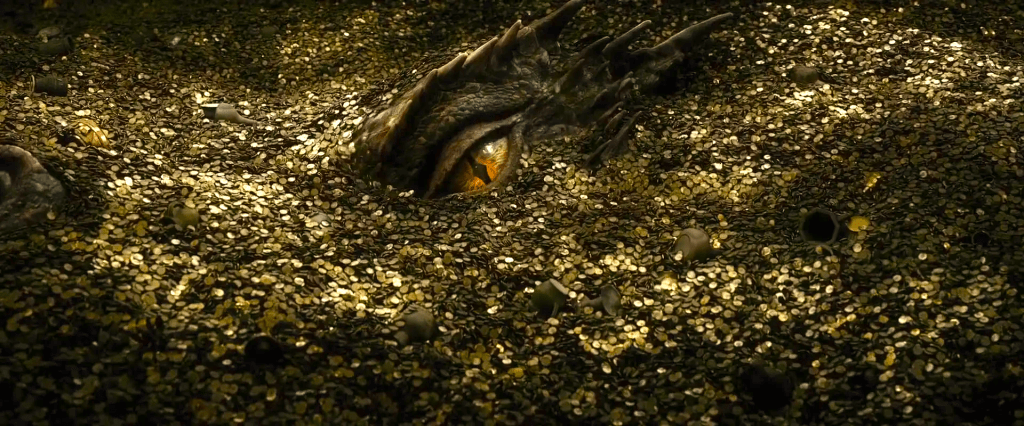
For me, the film stands or falls on Smaug. And here, Jackson’s team delivered a modern dragon that still holds up: proud, intelligent, ancient, and terrifying. The reveal of Smaug emerging from the gold all slow, deliberate, and vengeful is a moment that feels worthy of Tolkien’s imagination.
Fans Divided: A Tale Too Long, a Film Too Big?
This is also the film where the fan conversation grew louder.
Many loved the world-building, the design work, and the sense that Jackson wasn’t afraid to take risks. Others felt the expansion including new characters, extended action scenes, additions pulled from appendices and pure invention, strained a simple story beyond what it could bear.
Some saw three films as indulgence.
Some saw three films as opportunity.
I saw a bit of both.
As we observe all three anniversaries this week, that mixed reception becomes part of the trilogy’s identity. The Desolation of Smaug sits right in the middle of that tension: bigger than its source, bolder than some wanted, and unapologetically cinematic.
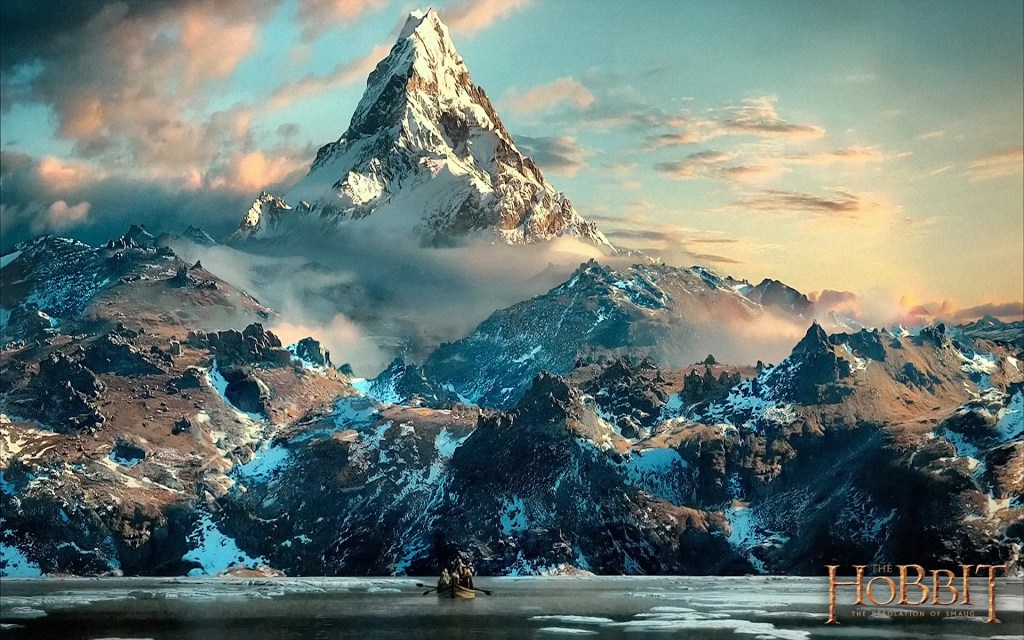
The Film Experience
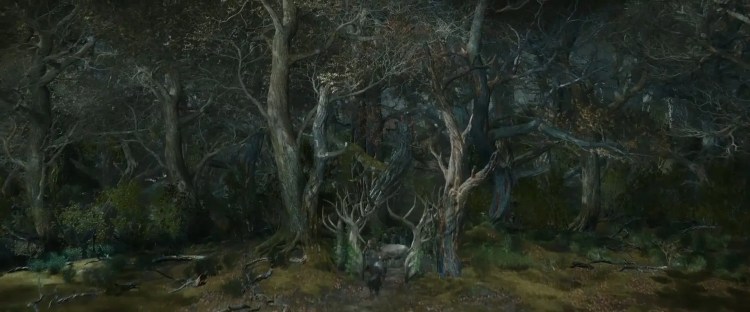
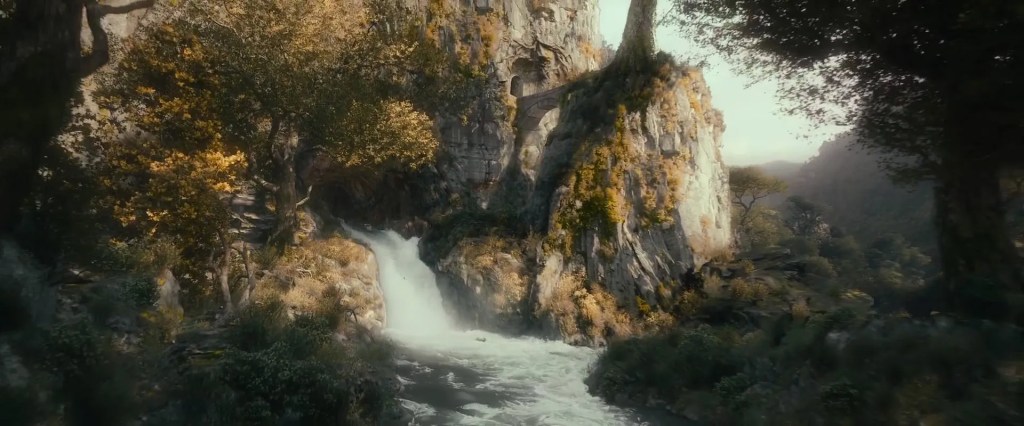
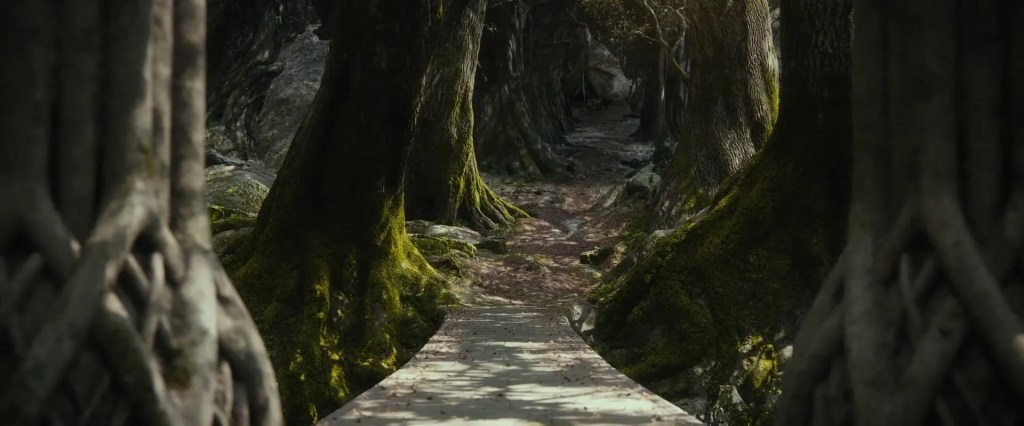
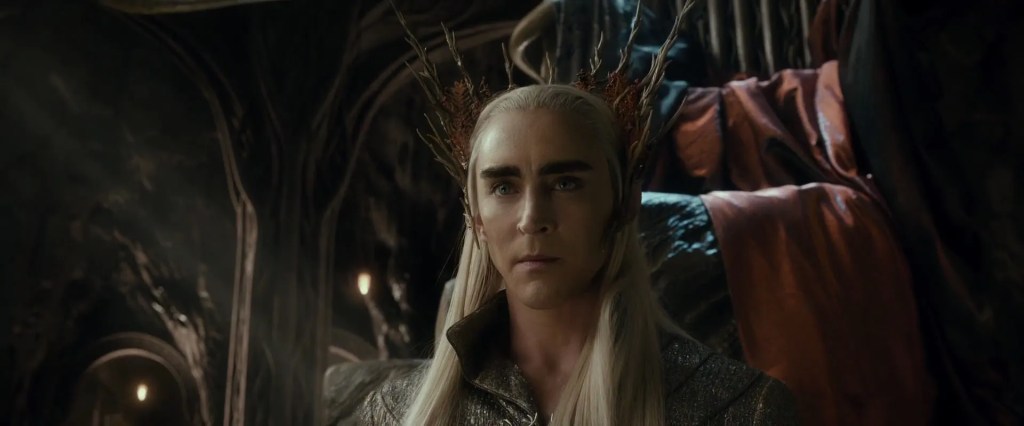
I love them both. Whatever camp you fall into, the craftsmanship on display is remarkable. Mirkwood’s psychedelic menace, the shimmering halls of Thranduil, and the living, bustling Laketown all give this film a texture and atmosphere uniquely its own.
The supporting cast shines, too. Martin Freeman deepens Bilbo’s internal conflict; Thorin’s obsession begins to sharpen; the elves, newly invented or otherwise, give the film a balletic, dangerous elegance.
Reflection
Looking back, The Desolation of Smaug is the chapter where the trilogy’s ambition is clearest, and its fault lines, too. It teeters between epic and excess, invention and fidelity, wonder and weight. Yet it gives us scenes of extraordinary beauty, a dragon who dominates the screen, and a sense of motion that carries the trilogy into its final, fiery act.
As with so many journeys in Middle-earth, this middle chapter is where the stakes rise, the dangers sharpen, and the tone turns. Imperfect? Yes. Memorable? Absolutely.
That’s it for now. Thanks for showing up. It matters.

- The three films are:
The Hobbit: The Unexpected Journey, Dec. 14, 2012.
The Hobbit: The Desolation of Smaug, Dec. 13, 2013.
The Hobbit: The Battle of Five Armies, Dec. 17, 2014 ↩︎
 Veni. Vidi. Scripsi.