
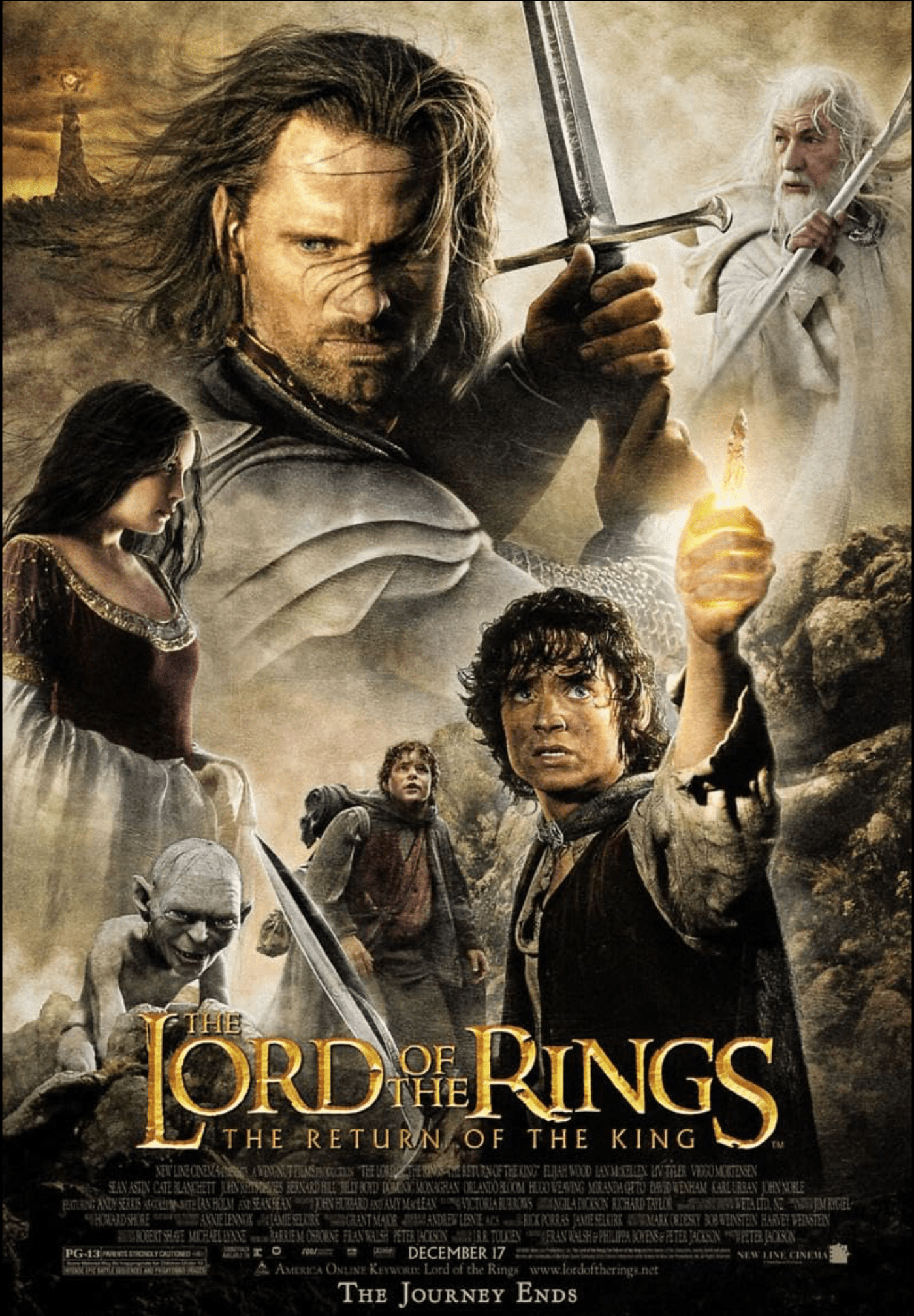
When The Return of the King was released on December 17, 2003, there was a sense that the journey we had shared with these characters for two full years was approaching its end. The road had grown heavy, marked by sacrifice, exhaustion, and the weight of battles fought both outside and within.
Unlike the beginnings in the Shire or the shadows of Helm’s Deep, this final chapter carried the gravitas of culmination—the moment when every choice, every loss, and every act of courage finds its meaning.
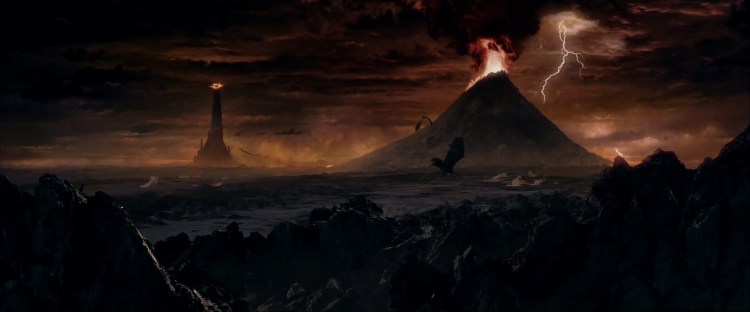
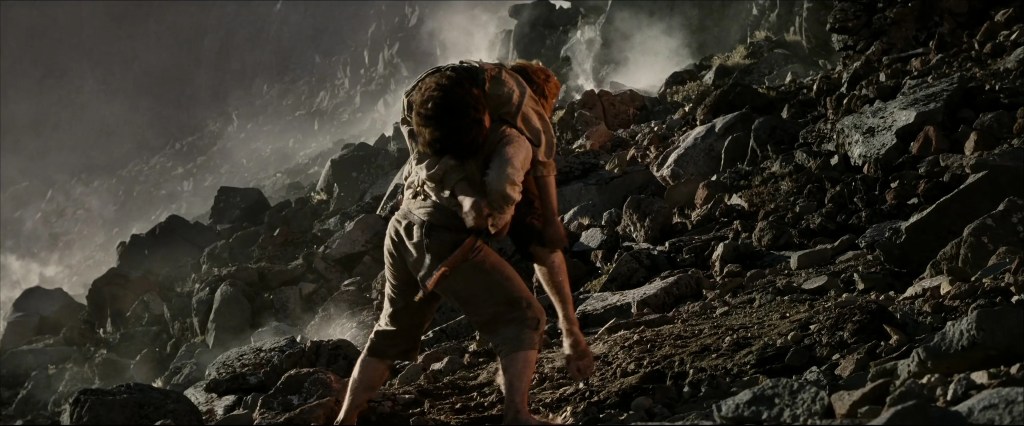
Jackson’s adaptation embraces both the sweeping epic and the intimate personal stakes. Frodo and Sam, nearing the end of their perilous journey to Mount Doom, embody the quiet heroism of endurance. Aragorn, Gandalf, and the remaining companions face the final tide of war, their loyalty, hope, and courage tested against the forces of darkness. The story reminds us that the end of a journey is rarely triumphant in a simple sense; it is bittersweet, a mixture of relief, grief, and awe at what has been endured.
One moment in The Return of the King that still gets my heart racing is the lighting of the Beacons of Gondor. It comes at a low point in the story, when hope seems nearly gone and the steward of Gondor hesitates to call for aid. Gandalf instructs Pippin to light the beacon, bypassing Denethor’s refusal. The music swells with majesty and purpose, brass horns and rising strings carrying the signal from mountain-top to mountain-top as the beacons are lit, summoning help from Rohan across vast leagues. Every note, every frame, pulses with the knowledge that even in the darkest hour, courage and hope can be kindled. Howard Shore’s score floods the scene with light and urgency, reminding me why I followed this path so far, and why these small victories, the acts of loyalty and love, matter as much as the battles themselves.
Watching this scene, I think of Tolkien’s own life of loss, memory, and the ways grief and hope intertwine. The story has always meant more to me because it arrived during formative years, a reminder that even in personal struggles, endurance, courage, and the bonds of friendship can carry us forward. The ending does not erase loss or pain, but it shows that we can walk through them and still arrive at a place of understanding, closure, and, in small ways, peace.
The film does not shy away from the consequences of the quest. Frodo is forever changed, as are the lands and people around him. Jackson captures these truths with sensitivity, allowing the audience to witness the cost of heroism and the depth of sacrifice. Even in moments of triumph, there is reflection: a reminder that endings carry lessons, and that the journey, long and arduous as it may be, leaves an indelible mark.
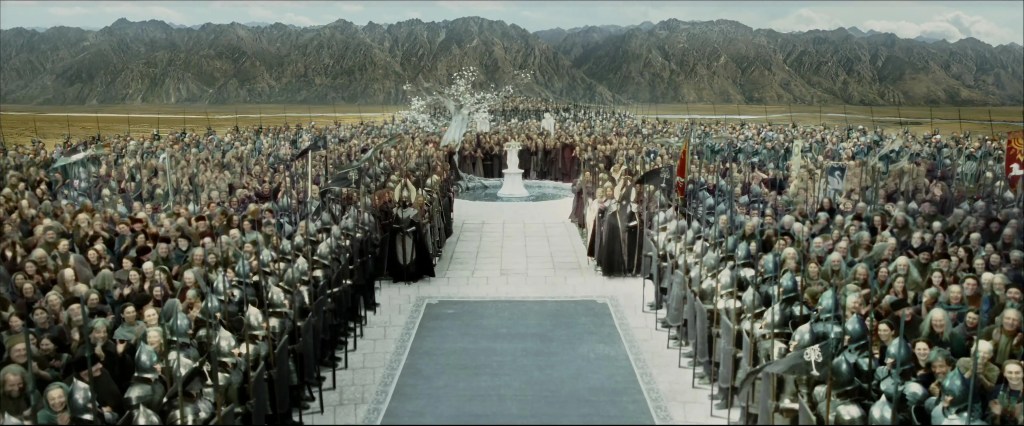
Yet within the weight of the final battles and the shadow of Mount Doom, there is hope. The return of the King is also the return of light, of renewal, and of the quiet assurance that even the smallest acts, like Frodo’s perseverance, Sam’s loyalty, Aragorn’s courage, can shape the course of history. Jackson’s final installment reminds us that the path, however long, is never walked in vain.
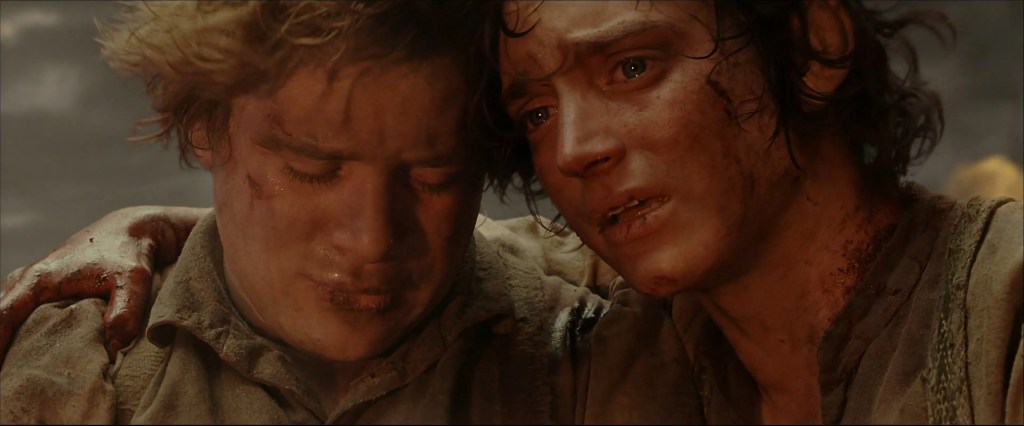
As the trilogy concludes, we are left with the echo of all that was learned on the road: that courage, friendship, and hope carry us forward, and that the journey itself, with its trials and triumphs, is the true measure of what it means to be heroic.
That’s it for now. Thanks for showing up. It matters.

Image Credit: Movie-Screencaps.com
 Veni. Vidi. Scripsi.