

January 6 marks Epiphany, the day we remember the wise men arriving at the manger, guided by a star to worship the child who would change everything. Matthew’s Gospel tells it plain: these men from the East saw the sign, traveled far, and found the King in humble surroundings. They offered their gifts and went home changed.
That same date in 1992 saw the publication of two books tied to J.R.R. Tolkien. Sauron Defeated, the ninth volume in The History of Middle-earth, wrapped up Christopher Tolkien’s careful editing of his father’s manuscripts on The Lord of the Rings. It details the final downfall of evil in that story, after years of drafting and revising.

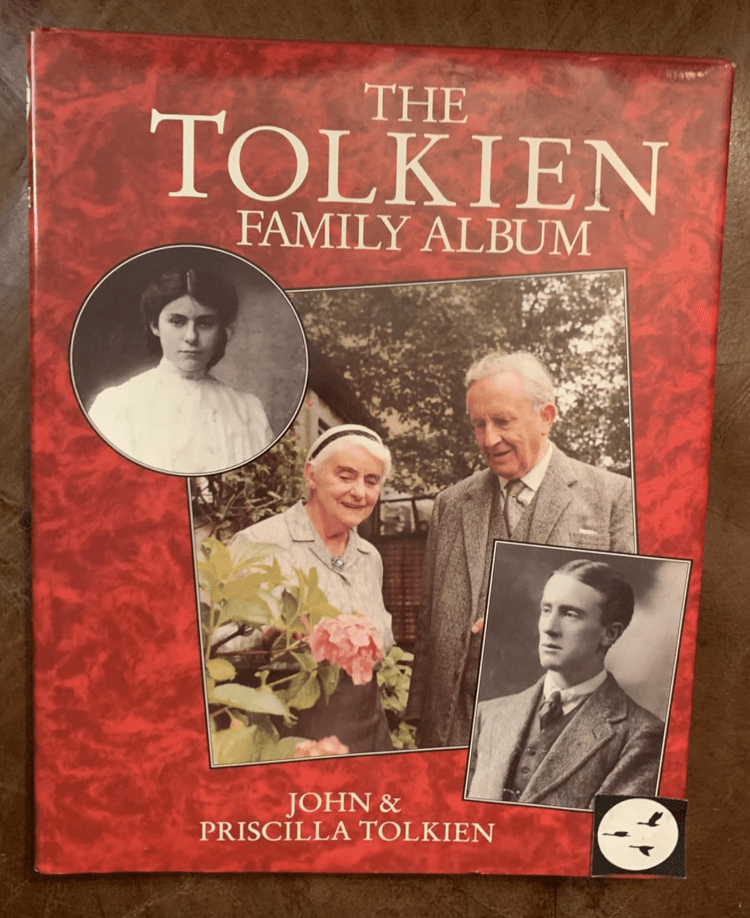
On the same day came The Tolkien Family Album, put together by John and Priscilla Tolkien, full of family photographs and memories that show the man behind the myths—a husband, father, professor living an ordinary life amid bills and bedtime stories.
These publications, coming on Epiphany, fit the season’s theme of revelation. Scripture shows God making Himself known not in thunder, but in quiet ways: a baby in Bethlehem, a voice at Jesus’ baptism saying, “This is my beloved Son.” In Tolkien’s work, light breaks through darkness through patient effort and small acts of faithfulness.
Tolkien called history a “long defeat,” with rare glimpses of final victory. His characters endure long roads, carrying burdens they may not fully understand, trusting that good persists against evil. Yet as a Christian, he knew the deeper truth: Christ’s death and resurrection secured the victory once for all. Evil’s defeat isn’t uncertain; it’s accomplished. We live in the light of that finished work, called to walk faithfully while the full dawn waits.
Standing at my kitchen window some cold January mornings, coffee cooling in my hand, I watch the sun come up slow through the pines here in central Louisiana. Darkness doesn’t vanish all at once; it yields bit by bit. That’s how God’s light often works in our lives—steady, reliable, pushing back the night through ordinary days.
Tolkien’s stories remind us of this. He built his world not in flashes of genius, but over decades: notes scribbled, pages revised, tales told to his children. The family album shows the daily life that grounded it all. And Sauron Defeated closes the account of a struggle where hope wins through endurance.
Another Tolkien tale, Roverandom, came from a simple moment in 1925. His son Michael lost a toy dog on the beach, and to ease the boy’s hurt, Tolkien spun a story of the toy’s adventures—on the moon, under the sea, back home at last. That private comfort, told years before, finally saw print in 1998. It started as a father’s quiet kindness in the face of small grief.

These things point to how God works. He uses ordinary people, patient labor, everyday love to reveal His purposes. The wise men followed a star to find the Savior. Tolkien followed his imagination and faith to create worlds that still point readers toward truth and hope.
In our own lives, the struggles can feel long, the darkness thick. But Epiphany reminds us the light has come. Christ has overcome the world. Our part is to keep watch, to walk in what light we’ve been given, trusting God’s sovereign grace to bring His victory to completion.
As the new year settles in and winter lingers, it’s worth pausing on these January markers. They call us to notice God’s quiet revelations in stories, in family, in the slow brightening of morning.
That’s it for now. Thanks for showing up. It matters.

Editorial Note: This essay continues our January cadence of reflection, drawing together sacred observance and literary insight. As we move deeper into winter, we pause to consider how small acts of faithfulness, whether in Scripture, in Tolkien’s life and work, or in our own daily choices, contribute to victories we may not live to see but can trust God to complete.
Further Reading:
- For a little more about Epiphany in Middle-earth, check this out: Epiphany in Middle-earth
 Veni, Vidi, Scripsi