
You’ve seen it. Maybe recently. Maybe in someone you love — the way their eyes changed before anything else did, before there was a name for it, before either of you were ready to say what you were both already knowing. You didn’t look away. You’re probably still carrying it.
This is for you.
When that particular weather moves in, I tend to find my way back to certain songs. Not to feel better — that’s not really what songs are for, at least not the ones worth returning to. More to feel accompanied. To find out that someone else has been in this room before and left something on the wall.
One of those songs is “Kite,” by U2, from their 2000 album All That You Can’t Leave Behind. Bono wrote it with his own father in mind — and that origin is part of why it lands the way it does, why it carries the weight of something lived rather than merely imagined. But what it does to me is a different matter. That’s what I’m here to talk about.
If you don’t know the song, this article will make more sense if you listen before you read further.
What kind of song this is
“Kite” is not a fighting song. It doesn’t argue or accuse or demand. It watches. It already knows what’s coming before the air in the room has changed, and it chooses tenderness anyway. That is a harder thing than it sounds, and the song earns it.
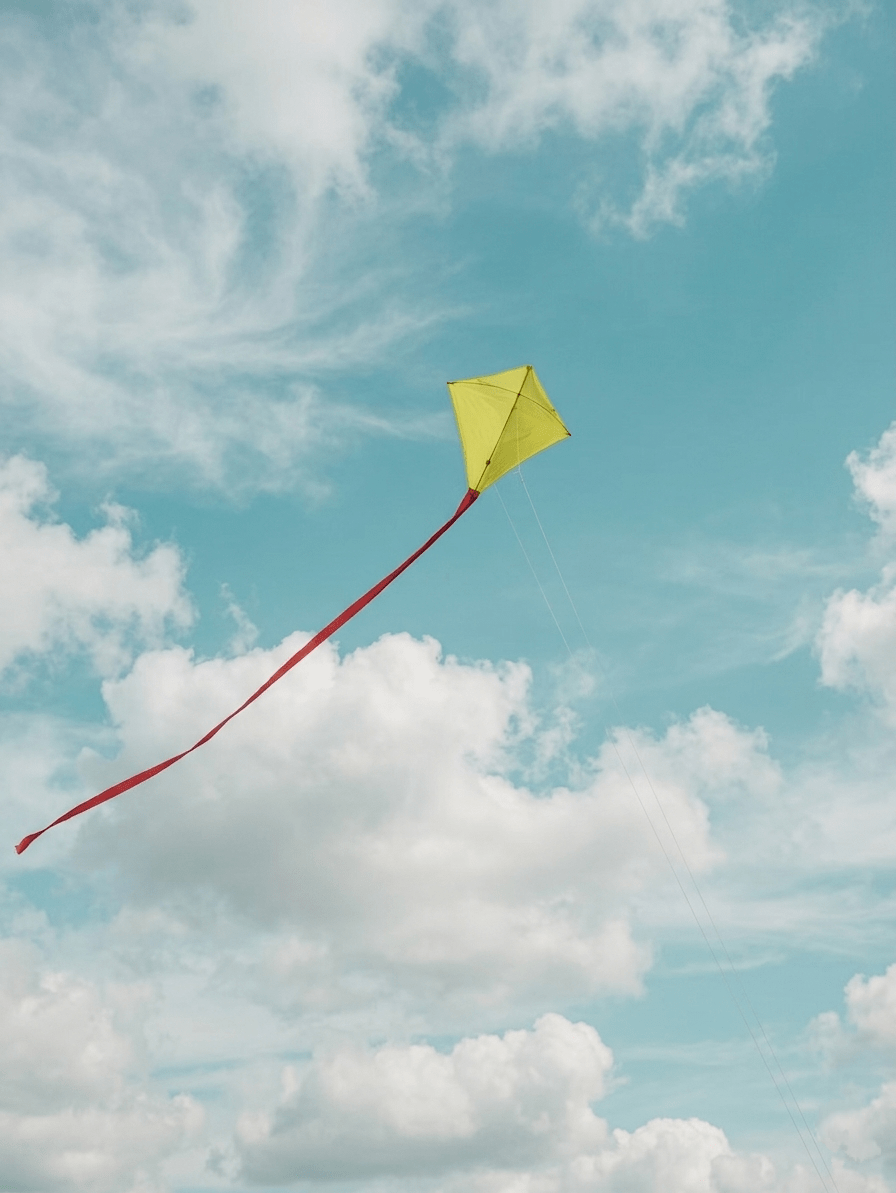
It is, at its heart, a song about wind — about the things that get carried further than human hands can reach, further than you can see from where you’re standing. The lyric states it plainly:
“Who’s to say where the wind will take you / Who’s to know what it is will break you / I don’t know which way the wind will blow.”
I don’t either. I’ve stopped pretending that’s a problem.
Wind has always felt to me like it’s carrying something beyond itself. That’s not an original feeling — poets and prophets have been reaching for the same thing for centuries. So when this song puts its trust in the wind, something in me recognizes that. Not resignation — something more like release. Which is a different thing entirely, and one I’ve had to learn to tell apart.
The line that changed shape on me
“Did I waste it? / Not so much I couldn’t taste it.”
Good answer. The kind of answer a man gives when he’s done looking away from the question and decided honesty costs less than avoidance.
But the line that has stayed with me longest, the one that changed shape on me as the years went by, is this one:
“I’m a man, I’m not a child / A man who sees / The shadow behind your eyes.”
When I first heard it, it was a lyric. A good one — the kind you notice and file away somewhere. Then came a day when it became something else entirely.
I can’t tell you exactly when I saw it in my father’s eyes. There was no single moment I could point to, no clean before-and-after. It was more the way late afternoon light changes — gradual, and then suddenly undeniable, and you realize it has been changing for a while and you have been the last to admit it. Something sure and unspoken had settled into him, the way a season settles, quietly occupying the space behind everything he didn’t say and didn’t do. It was there the way certain truths are there — patient, present, asking nothing, waiting for you to stop moving long enough to see it.
I held that knowing for a while before there was anywhere to put it. There is a particular loneliness in seeing before the seeing is shareable — standing in the room, understanding something the room isn’t ready for, carrying it alongside everything else you carry. The lyric knew that feeling before I had words for it, the emotion with which it is sung resonated deep in me. That is what the right song does, sometimes. It names the thing you’ve been holding without a name.
After my father was gone, the line changed shape again. It became a kind of testimony. I was there for that. I saw it. Less a lyric now than a small, permanent notation in the margin of a story I’ll be reading for the rest of my life.
The shadow shows up elsewhere
I’ve seen it since. Not only in my father’s eyes.
Loss has been close in the lives of people I love — losses that don’t arrive with casseroles or condolence cards or anyone asking how they’re holding up. Some are carrying the weight of a long vigil finally stilled, learning now what it means to live in the afterward — that wide, directionless quiet that follows years of faithful, costly presence. Others are grieving something still living but changed, mourning a future that has quietly shifted its shape beneath their feet.
These losses don’t look alike. What they share is the shadow. It shows up wherever someone is carrying something the world around them hasn’t yet learned to see — in the eyes, in the way a person goes quiet in a room full of noise, in the slight pause before they say they’re fine. The people who see it and don’t look away are doing something that matters more than they probably know. Most of us were never taught how. And the ones who were mostly kept quiet about it anyway — they’d rather hand you a wrench than a sentence. I understand that. Sometimes two people sitting together without saying much is its own kind of language, and it says everything that needs saying.
What only comes after
The longing to be truly known doesn’t feel like a weakness to me. It feels like the most honest thing about us. Not something to be outgrown or embarrassed by — something to be taken seriously, followed carefully, wherever it leads.
And some things only become clear after. After someone is gone. After a season ends in ways you didn’t choose. After the shape of the future you’d been quietly carrying turns out to be different from the shape of what actually arrives. Not because love failed. Because love takes time to complete its work in us — and maybe some of that work can only be done on the far side of losing, in the long, unasked-for quiet that follows.
There are stories older than this one that know something about what fills that silence. I’ve found them trustworthy.
“I know that this is not goodbye.”
That’s where the song lands. Not triumphant. Not resolved into something tidy. Just quietly certain — the way a man is certain about something he didn’t argue himself into.
I don’t know which way the wind will blow. I know that this is not goodbye. Both of those things are true at the same time, and learning to hold them together without forcing a resolution — that, I think, is its own kind of steadiness.
There is a second song. It has something to say about what you find when you look in the mirror. I’ll get there next week.

 Veni. Vidi. Scripsi.